Oh kay Kyle I’m gonna be bold and constructively selfish. I really just want a place to link my favorite cool tricks tips and techniques videos. Stuff that I haven’t necessarily seen somewhere else or may not be mainstream (which may entirely be my ignorance) but that entirely subjectively I find cool. So here goes.
I think this video of Matt Paker welting without bristles is cool, so here it is.
1 Like
Super cool!
I was just thinking about this the other day, looking at the taws on some Maine Thread tapers. But I also (finally) quit Instagram, so there’s no way I’d’ve seen this if you hadn’t linked it.
I’ve run into the Matt Paker name a few times before. I lived in Russia for a year, ages ago, and often wondered how this guy got started, and where the name comes from.
Oh yeah to be honest i just jumped to the conclusion that he was the guy in the video based on the IG name but if it’s a shop could be anyone
1 Like
Homemade stitch separator
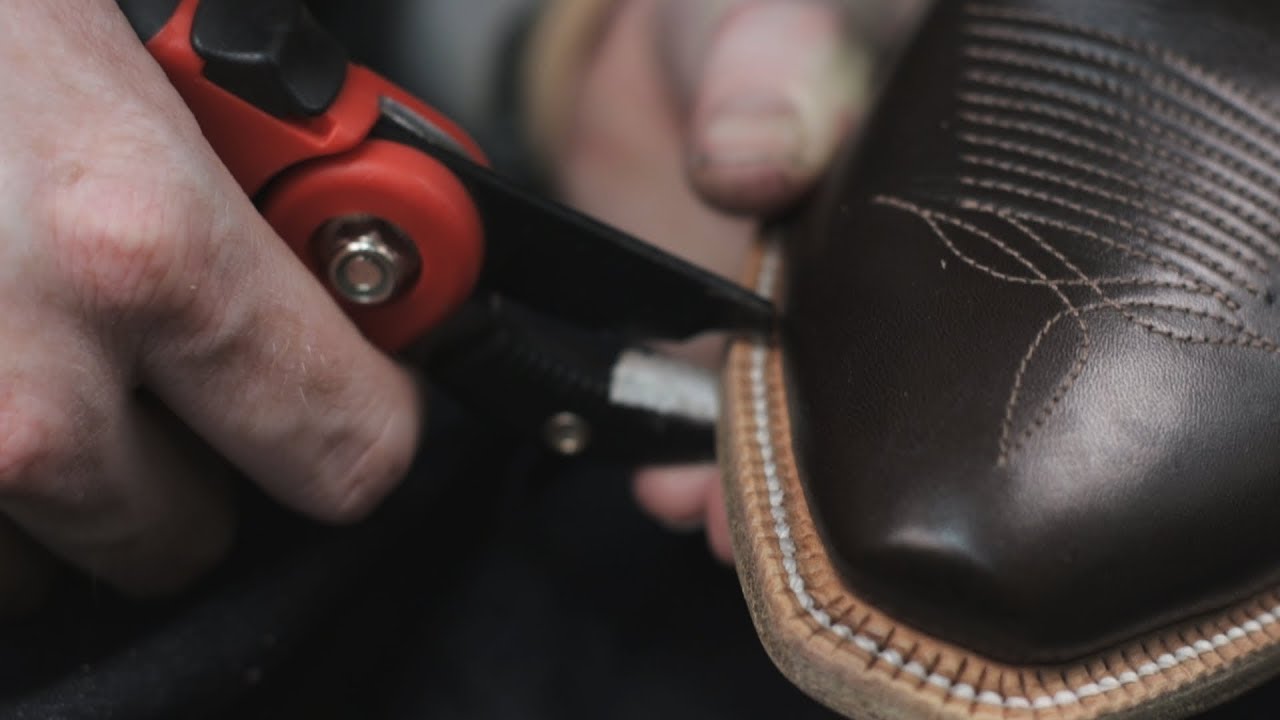
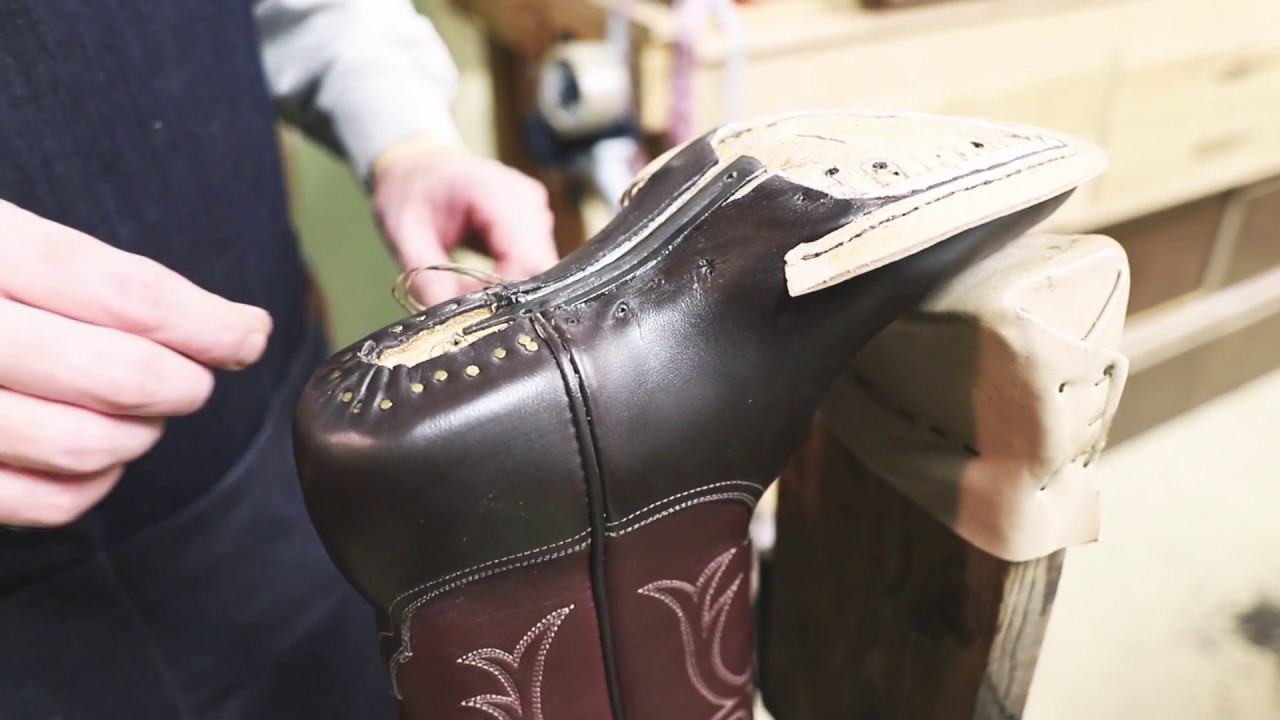
And “boot calipers”
1 Like
Cool! Can I throw one in?
This is really just a still frame, but it’s from Kazuma Nishimura’s latest video, at 0:21 in:
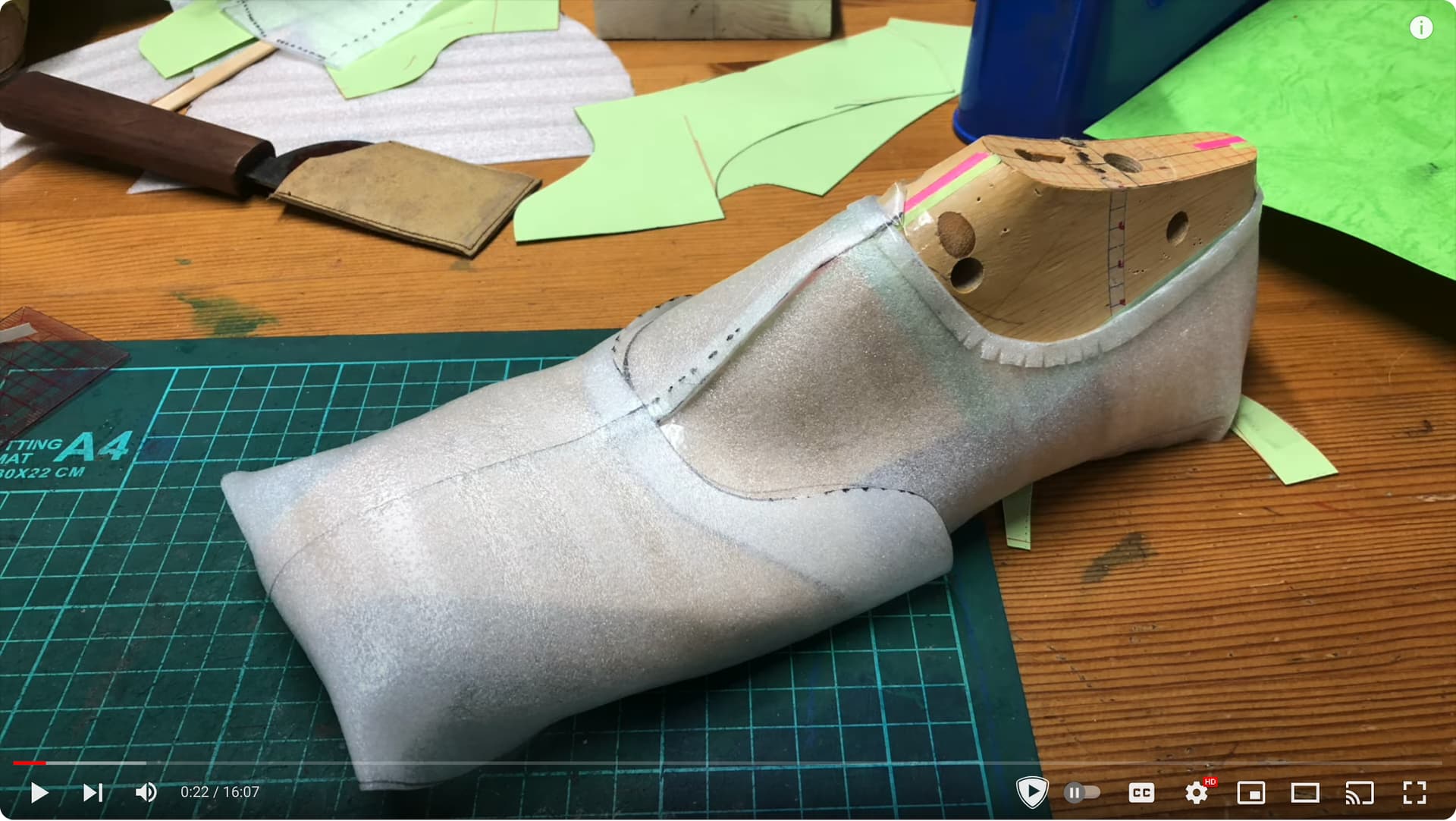
This was part of a short photo planning montage leading up to showing him clicking and closing. He doesn’t explain it, but it looks like the kind of pattern test I once tried with more expensive foam. This micro-bubble-wrap would be far cheaper, and probably just as good.
These also remind me of the “glass slippers” I see some makers create as quasi-test-shoes by sticking clear packaging tape to itself over a last.
Great timing on the stitch separation video, by the way. I’ve got leather dye for the welts on my latest pair coming tomorrow. Next on the to-do list there was to do neat lines on the stitches.
My plan was the blade of a worn-out old screwdriver.
I guess this isn’t a building technique video so much as a fitting pitch, but I found this very interesting:
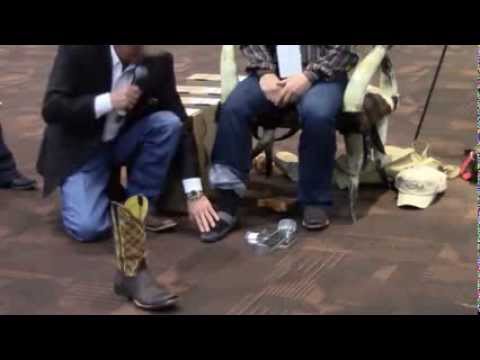
Basically, it’s Rod Patrick making his pitch for extended sizing, and doing a little fitting demo.
Cool find! I had read a couple places better to fit too narrow and long than vice versa, seems to be the advice they’re inadvertently giving? Im snobbish enough right now in my naïve overreading to think regardless of extended widths you’re always partly misfitting a factory boot given all the other dimensions, especially short heel in a slipon boot, theyre not addressing 
1 Like
I definitely gathered from Rod’s talk that he thought way more people should be in narrow widths than currently wear them. But I didn’t understand him to mean you should try to fit narrower. Rather, I heard that people will often buy cowboy boots too short so the instep girth is narrow enough to hold their feet up in position, so when you have narrower sizes with narrower instep girths to offer them, you can often fit them into a longer length and and a narrower width, solve the instep problem, and free their toes.
I can say from personal experience that extended width sizing can make a massive difference for long, low, narrow feet like mine, even in assembly-line boots. Discovering I had narrow feet, and that some companies hold on making more than two width sizes, did a lot to get me into shoemaking! I still keep a running list of companies offering narrow widths on my website.
But I can also say from experience that even as a new beginner bootmaker, the first two pairs I built up for myself, based on stock lasts from @customboots, fit better than the best-fitting factory boots I’d ever had. I’ve also tried factory shoes in narrow widths and turned them down because the insteps were still too high. Happened a few times with some Red Wings. And my best-fitting western boots are still packers. I’m relatively narrow around the balls and relatively skinny around the insteps.
Rod wasn’t the first I’d heard mention that his lasts preserve total volume going one length down, one width up. Some of the older lasts with widths increased in fixed increments seem to have been designed to hold volume constant like that intentionally. But I’ll admit he made two points that I either didn’t understand, or have heard contradicted by others.
It seems strange to me that previously cramped feet would get narrower over time, given properly fitted boots to wear. Especially in relatively pointy-toed cowboy boots, I’d expect giving previously bound toes room to spread out—Rod called out a curled-in pinky toe on the gent sitting for fit in the video—might call for more width, to keep the toes from cramming as they spread out. I also wonder whether there’s all that much change in the splay of the MTP joints over time, coming from wearing Ds or EEs. Maybe in the fleshy mass, if you drop a bunch of weight.
I also heard Rod mention feet getting bigger as we get older. I’d heard this before, but also the exact opposite. I’ve also heard takes that it varies person to person, based on factors like the height and flexibility of the arches in earlier life.
Anyway, I want to make clear that I’m a real big supporter of Rod Patrick as well as Allen Edmonds, Red Wing, New Balance, White’s & fam in Spokane, and all the companies that keep offering extended sizing, despite the costs and hassle. As a new maker thinking about eventually selling a pair, I feel the awesome pull toward just making something in 10D, so I’m sure someone can fit it. That’s at the same time I know there are only affordable shoes for me to wear because good companies pay the costs.
1 Like
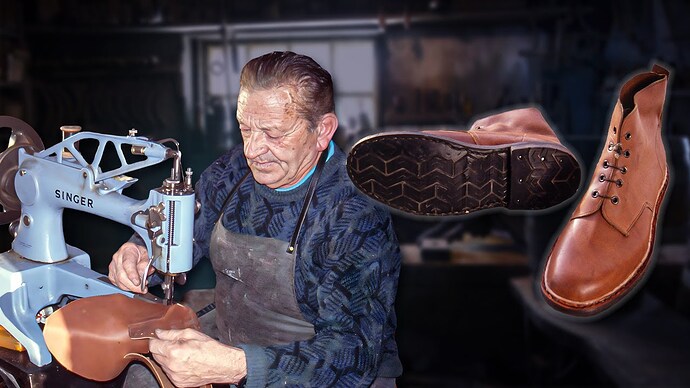
Harvesting boars bristles
Looks easy enough if you find yourself a wild boar hide
1 Like
That’s a great one!
I will say I’ve managed to hold off importing any boar bristles. I was mighty tempted, but I’ve been really happy with DIY wire bristles.
He also uses one of those channeled awls which I find pretty useful with the bristles
I have mostly switched to jerk awl though for out and inseam. Experimenting and reading has determined the whole lock stitch vs saddle debate is pretty silly. No one can agree on which should theoretically be more durable in that exact use case (despite spirited debate and the formation of entire religions around each) and practice has not shown a clear winner. When pnw and cowboy makers and hikers all vary their practice then it’s just a matter of personal choice. And I like either painfully slow and historically accurate, or efficient, depending on my mood! 
I’ve been really, really tempted to buy some of those from Julian. I think you just tempted me into it, finally.
No judgment from me. Frankly, for outsoles intending to be replaced, I think lockstitch might even be better, so the repairer can sand off the bottom thread and pull the top thread in one go.
For inseams, I’m not sure I could get the same pulling tension on a lockstitch as a saddle stitch without potentially throwing the lock to one side or the other. But I’ve certainly rewelted factory shoes with jerk needles.
As for strength, I don’t have any original data report from independent break-strength testing. But I basically assume that any shoe sewn with modern poly or nylon has knocked it out of the park for strength, compared to lock or saddle in even the stoutest hemp.
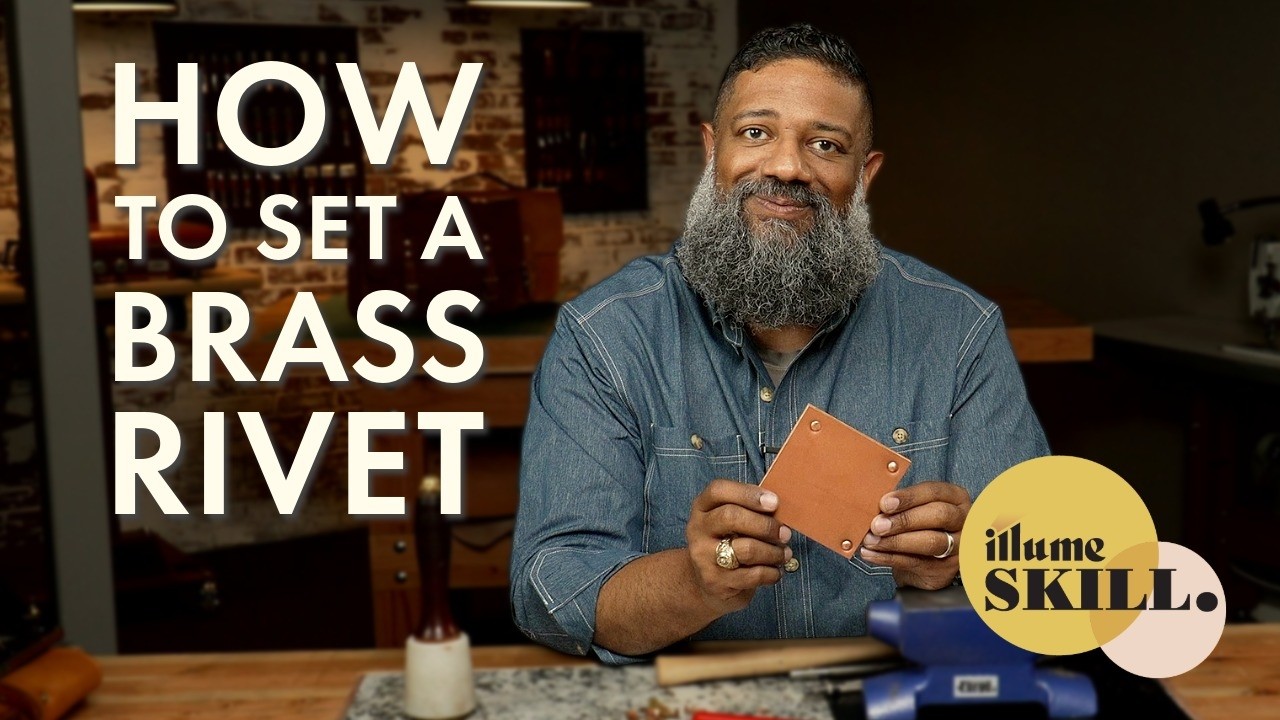
Illume shared a great copper or brass rivet setting lesson from Odin of Odin Leather Goods in Dallas:
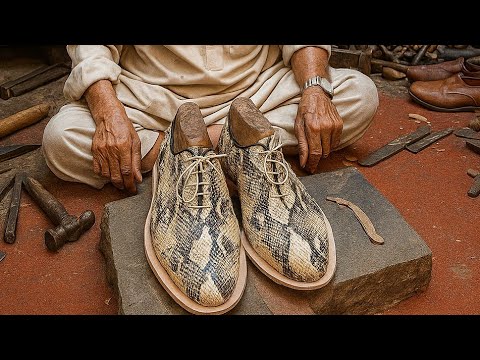
Ton of cool stuff in videos from this YouTube channel, of a Pakistani maker. Holding work with the feet, rather than in the lap. Blocking welts and soles by setting a blade into a block of wood and seesawing it up and down.
This post was NOT OSHA approved 
2 Likes
New video of making at Bad Hat Brothers reminded me of the way they inseam sewing double, with two lengths of thread on inside and outside at once:
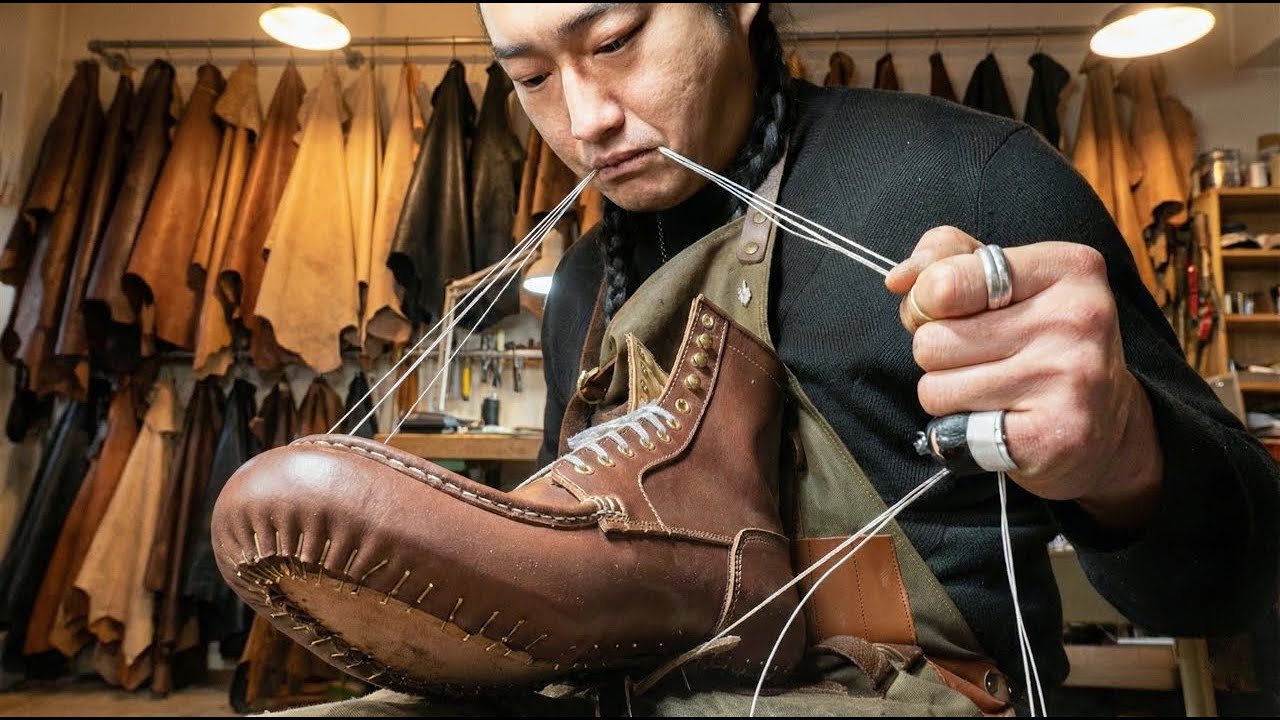
As far as I can tell, it’s actually one enormous loop of thread doubled over. The knot joining the ends is slid to just inside the first stitch.
1 Like
I discovered a new YouTube channel with several longer making videos:
Seems to be a Korean maker trading under the business name “TEI”.
I was struck by a few details of the way he cuts flaps for hidden channels, like here:
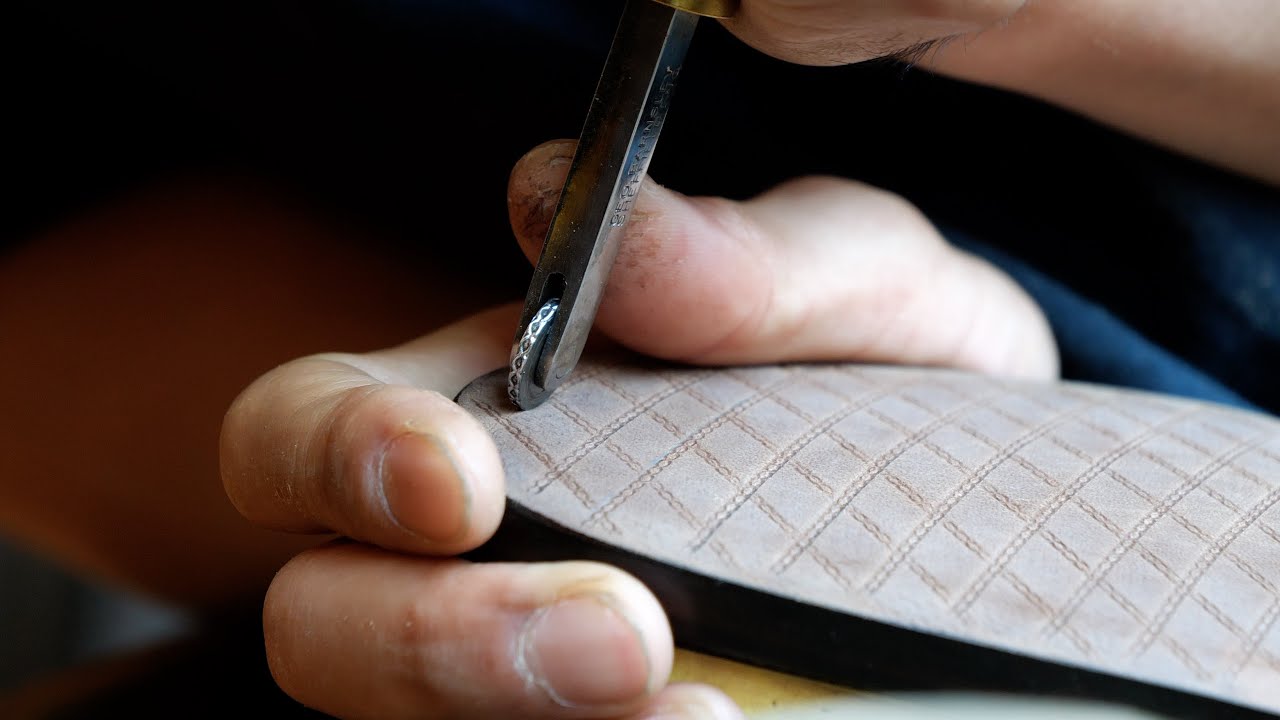
- He marks how far inward he wants to cut with a silver pen to start.
- He cuts with his leather knife bevel side down, not up. He does the same whittling soles and heel lifts.
- He starts under the heel seat like most welting breast to breast do, but he actually cuts the flap through the first wood peg on each side.
- He’s cutting deeper than I’ve seen some other makers, a full millimeter it seems. So you can hear the leather creaking and squeaking as he turns the flap up with a bone folder. He actually hammers the flap into upturned position to make room for grooving and stitching.
1 Like
I learned today that some yoga practitioners call sitting on your bum with the soles of your feet together “cobbler’s pose”, after the typical working position of Indian cobblers.
I’ve been rather inspired watching videos of the Pakistani cobbler that I found on YouTube.
I’ve never seen one of these makers use a strap. Instead, they use their feet as third and fourth hands to hold their work in all kinds of positions. Some seem really coordinated!
I am still lucky when I remember to put a little foot pressure on my strap when, say, piercing holes for an outseam.
Copy, paste, and Google Translate suggest that this video is of Hwang Taewook in South Korea:
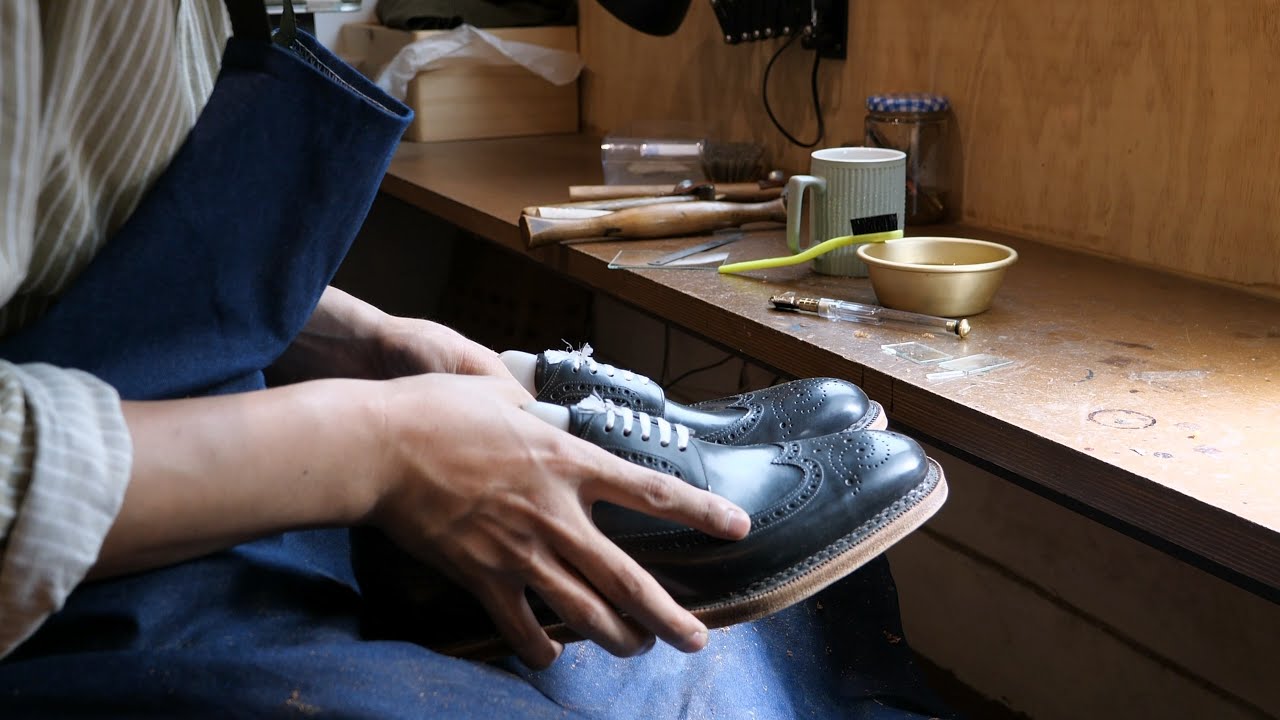
I have a bunch of notes. Maybe my favorite is that creates taws by just scraping the ends of pre-made thread with a glass scraper over a bench. That could be way simpler and cleaner than separating plies, trimming to different lengths, and fraying, a la DW Frommer II. But then again, he’s apparently using upholster needles rather than bristles of some kind.
1 Like