Greetings from a Bespoke Shoemaking Atelier in Rome

Hello everyone,

My name is Goli, and I am very happy to join this community.

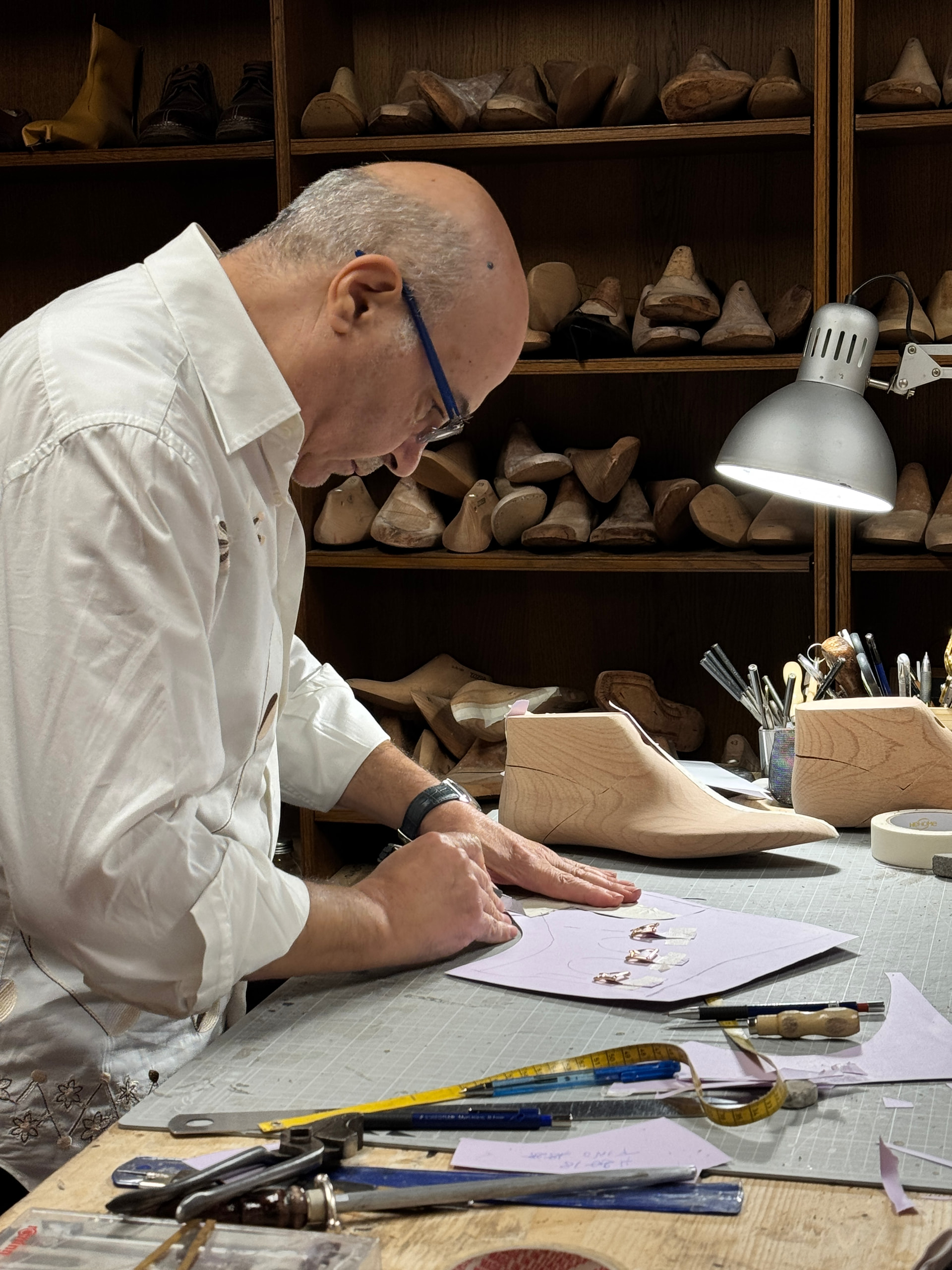
I am the founder of GOLI Bespoke Shoes, a small bespoke shoemaking atelier based in the historic centre of Rome, Italy.

My professional background is in architecture, but many years ago my passion for craftsmanship led me into shoemaking. I trained with master shoemakers in Italy and later continued learning from experienced bespoke shoemakers in the United Kingdom.

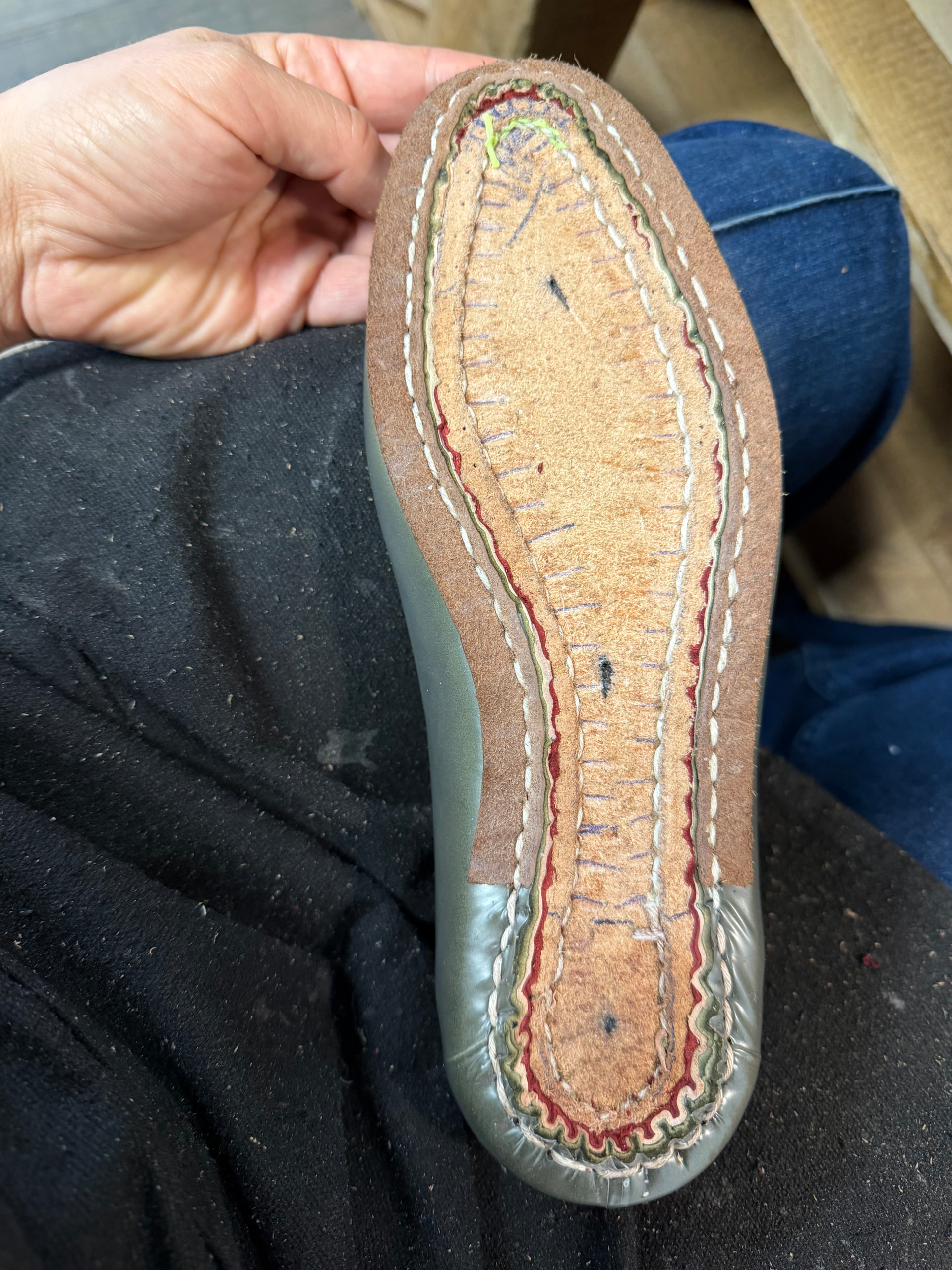
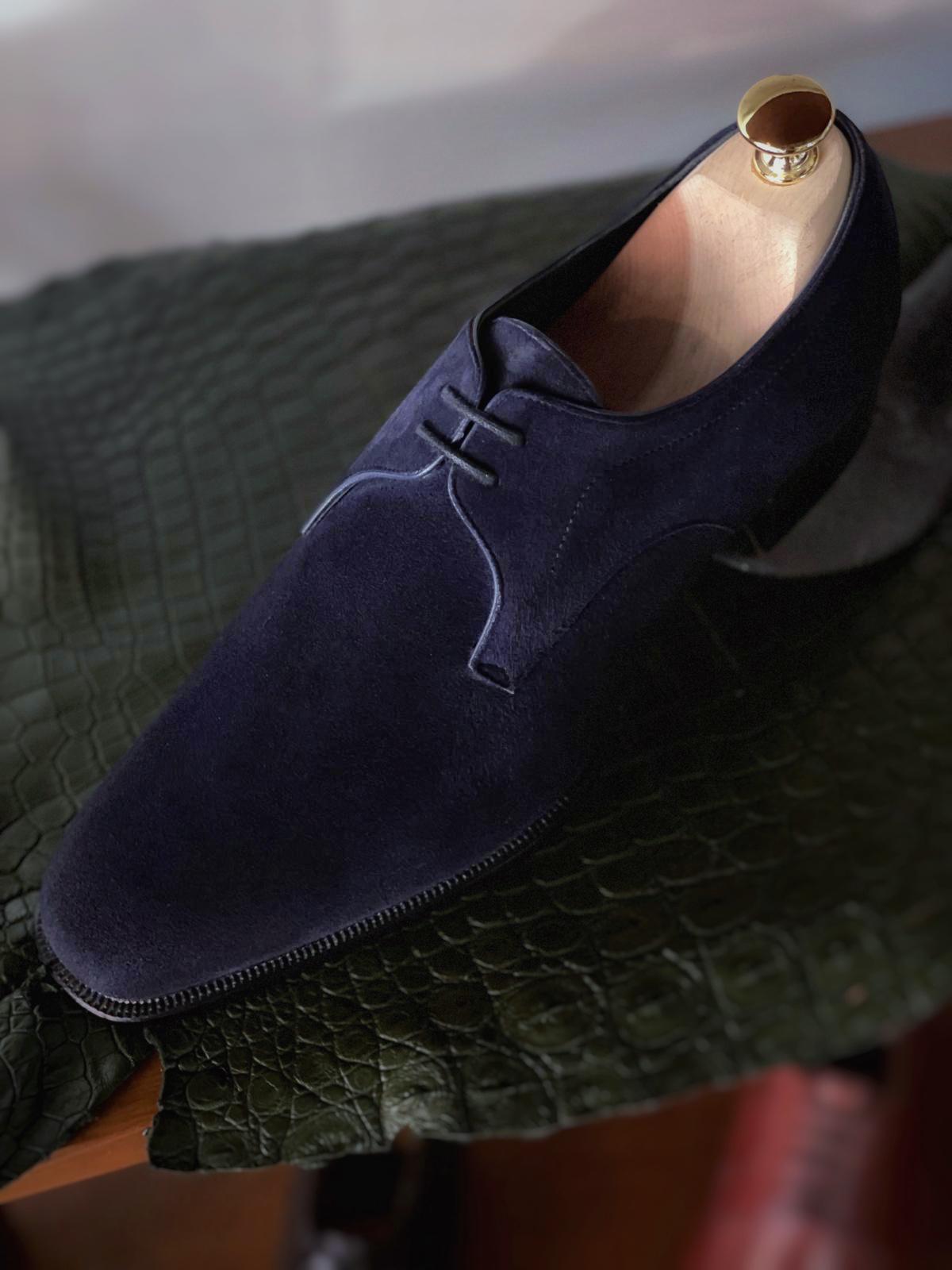
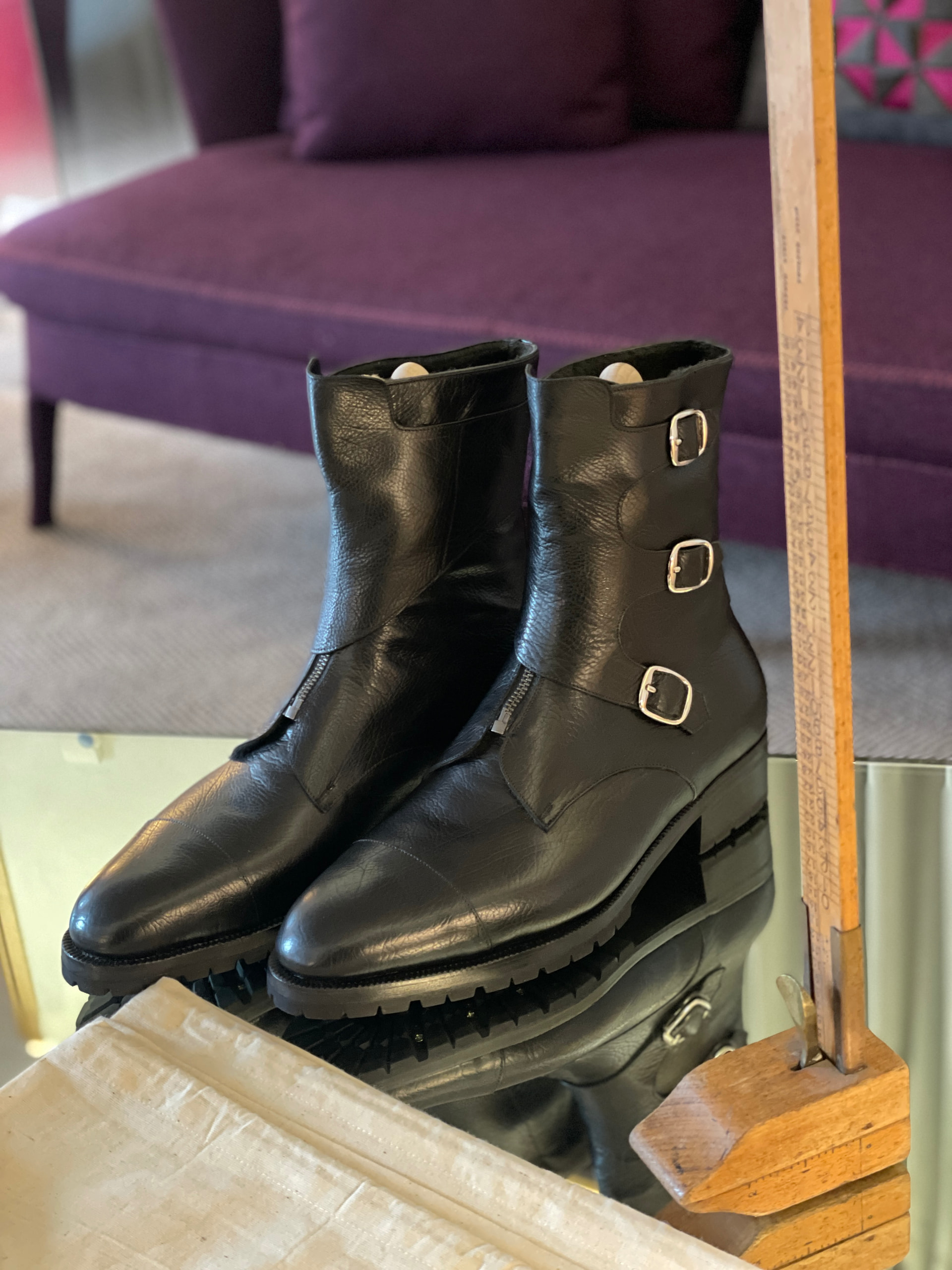
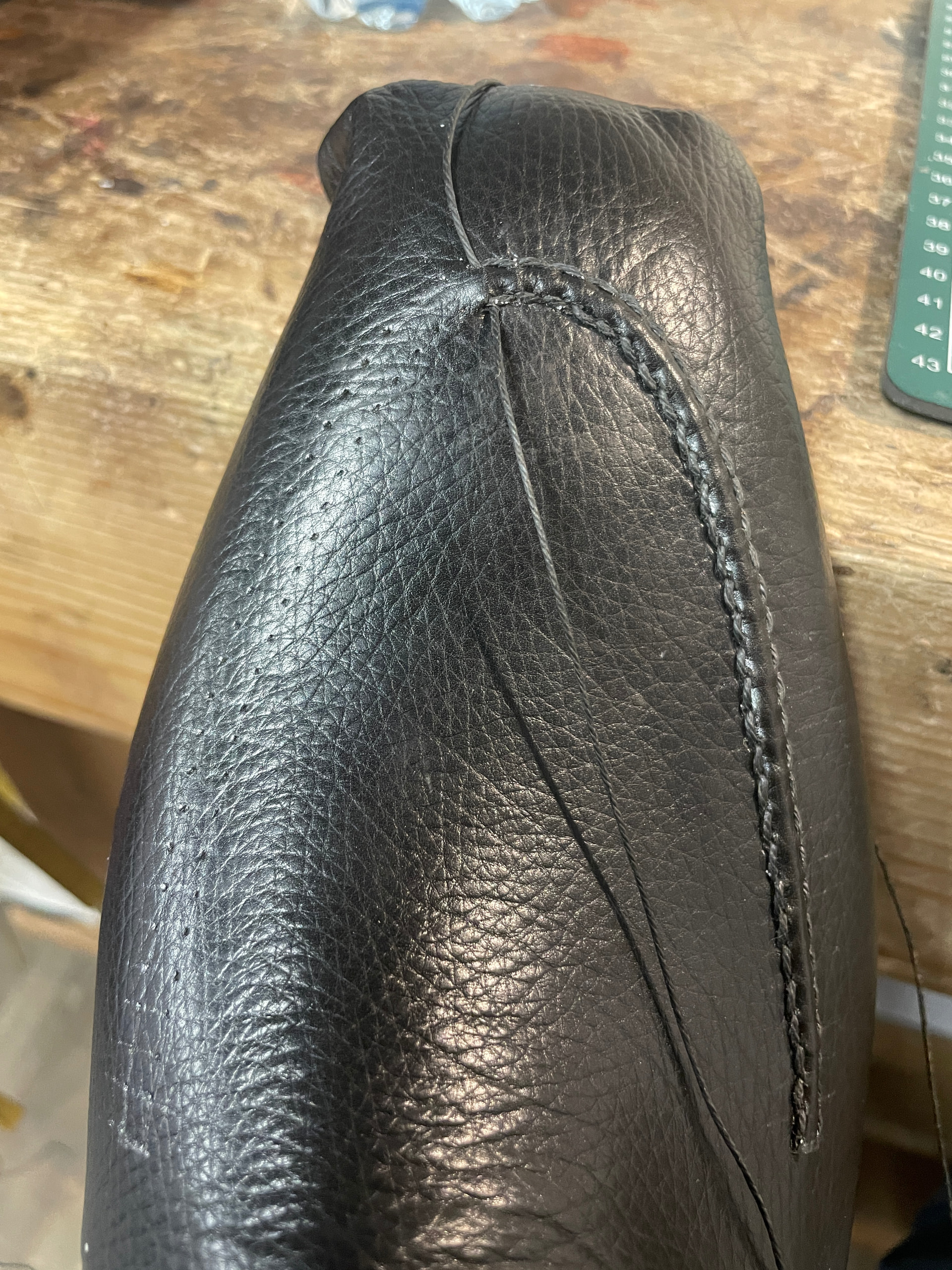
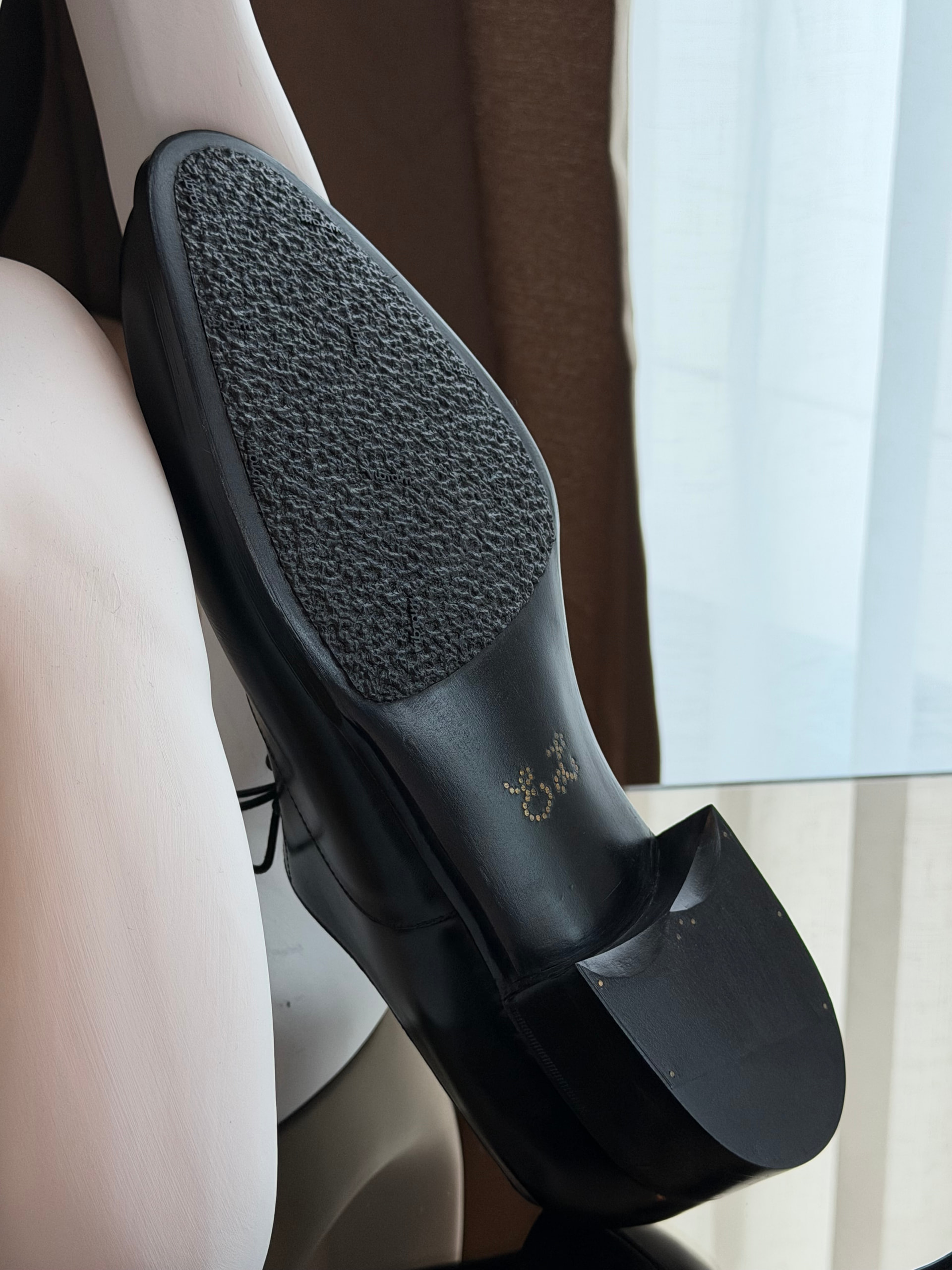
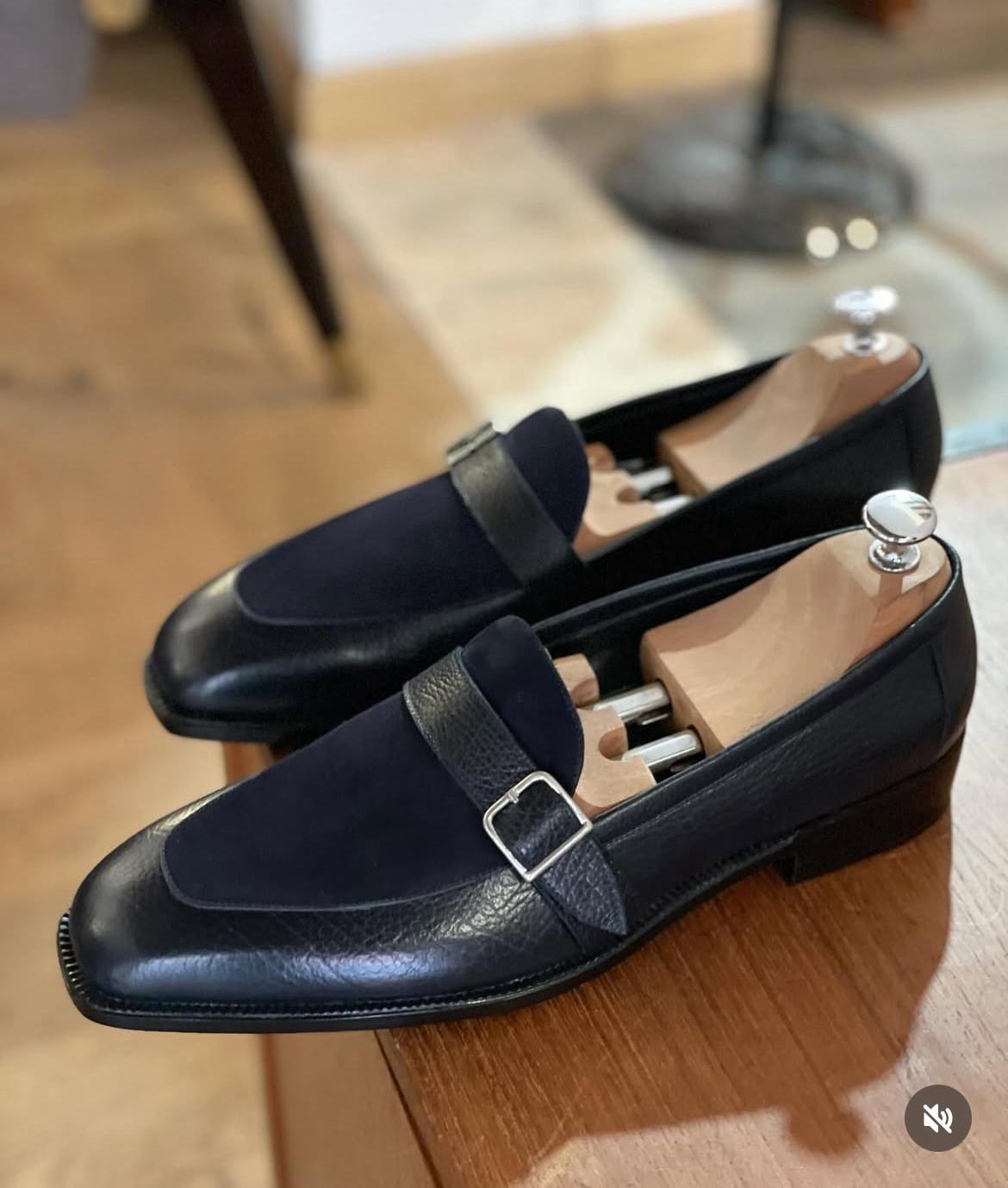
Today, together with a small team of artisans, we create bespoke shoes using traditional techniques, including hand-welted construction. Our work is centred on craftsmanship, patience, precision, and preserving skills that are increasingly rare.

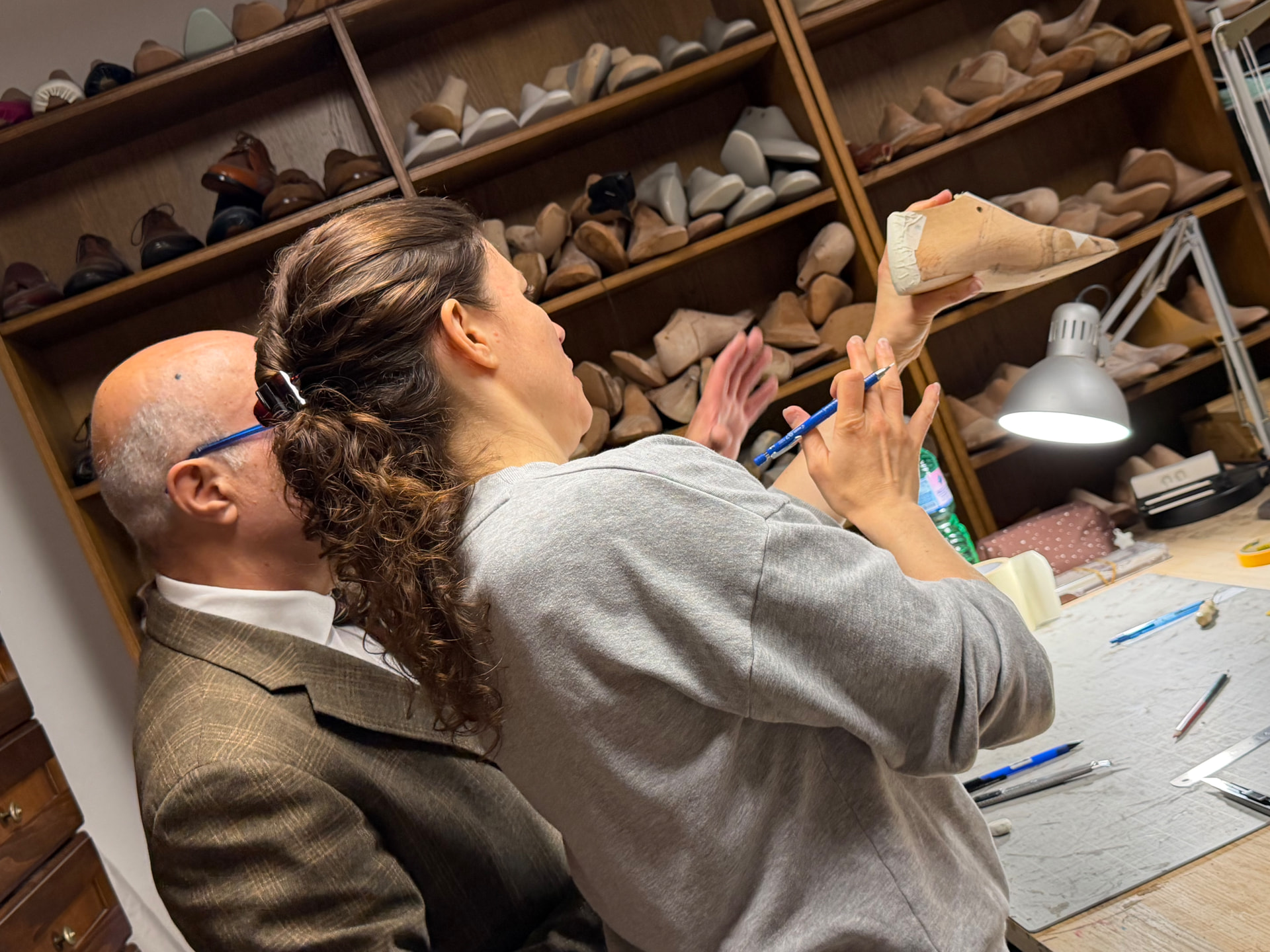
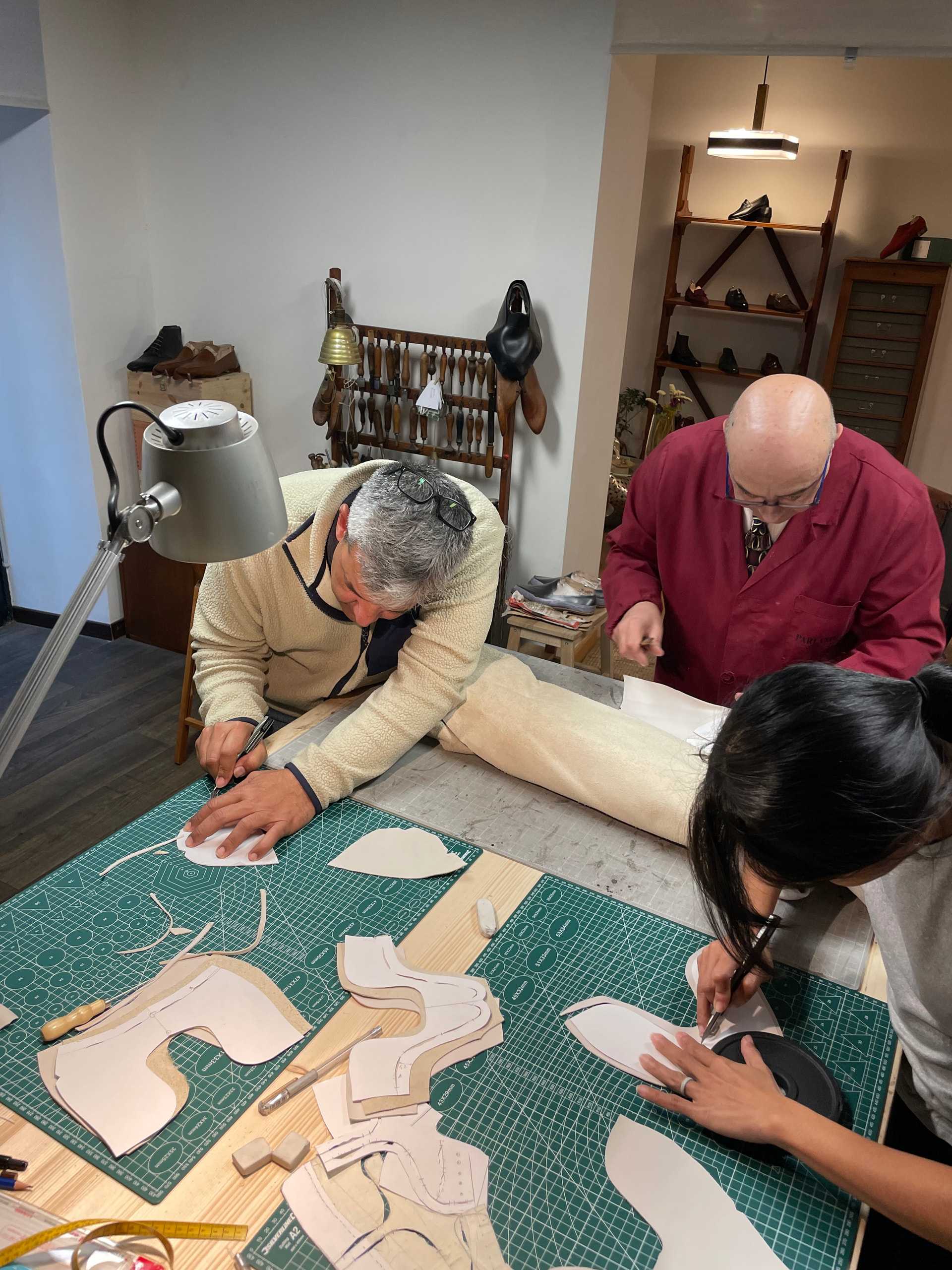
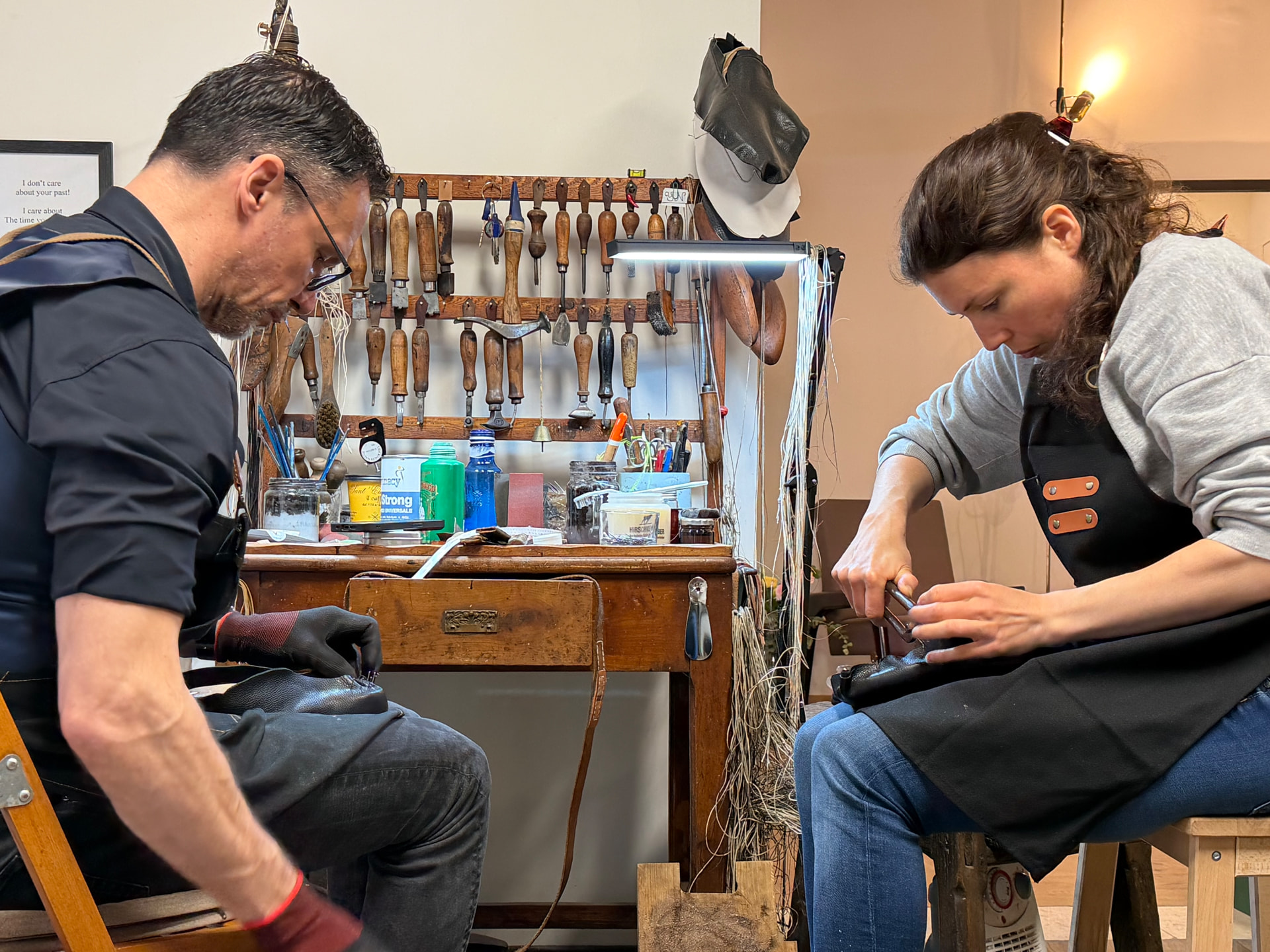
Teaching has also become an important part of our atelier. We welcome students from different countries and offer practical shoemaking courses in our working workshop in Rome, from shorter introductory experiences to more complete programs in traditional bespoke shoemaking.

One of my former students recommended One & Awl to me, and I am very pleased to have discovered it. I look forward to meeting other shoemakers, following your projects, exchanging experiences, and contributing to the discussions whenever I can.

I will also be happy to share some photographs of our work and of the shoemaking process in our atelier.

https://www.instagram.com/goli_bespokeshoes?igsh=MXJyOHVhd3hya2kwMA%3D%3D&utm_source=qr

@Goli, you are so very welcome here!

As the student who mentioned this place may have told you, we are mostly hobbyist shoemakers so far, though we have a few pros reading along and commenting from time to time. A few of our most regular visitors lately are based in the US or North America, but we also have members from China and Germany and who knows where else.

I’ve never been able to travel to learn shoemaking, but I’ve learned so much from makers all around the world, thanks to all the new ways we have to share these days. It’s my pleasure to host this little sharing space for shoe friends near and far.

Speaking of which, I want to give you the same welcome I try to give every new member: Please don’t hesitate to reply to any topic or start your own new ones! Everyone here benefits when folks are “constructively selfish”. If you have trouble finding a book or a finding, run into a question you can’t answer, or just want to share your latest work or something you found online, that will only give others a chance to see, respond, learn, and share. I always discover something new from new topics here—rarely what I expected!

Still, you might feel that your experience sets you apart from regular conversation here. If so, don’t worry. You might use this forum a little differently than beginners or hobbyists do, and that will also be 100% welcome.

There isn’t any rule against being “commercial” here. Nobody wants another place online to see a bunch of thinly disguised advertisements, but I want to celebrate makers who are trying to sustain the craft as a business, not shame them or scare them away. The same goes for teachers. And toolmakers. And suppliers. And event organizers. And book authors.

On that note, I hope it’s alright that I’ve added the start of entries on you, Robert, and your studio to shoemaking.wiki, my online shoemaking notebook. I obviously can’t cover everything, and those entries are just a start. But I was particularly glad to add another entry to the index of schools. It gives me hope to read that you are welcoming students.

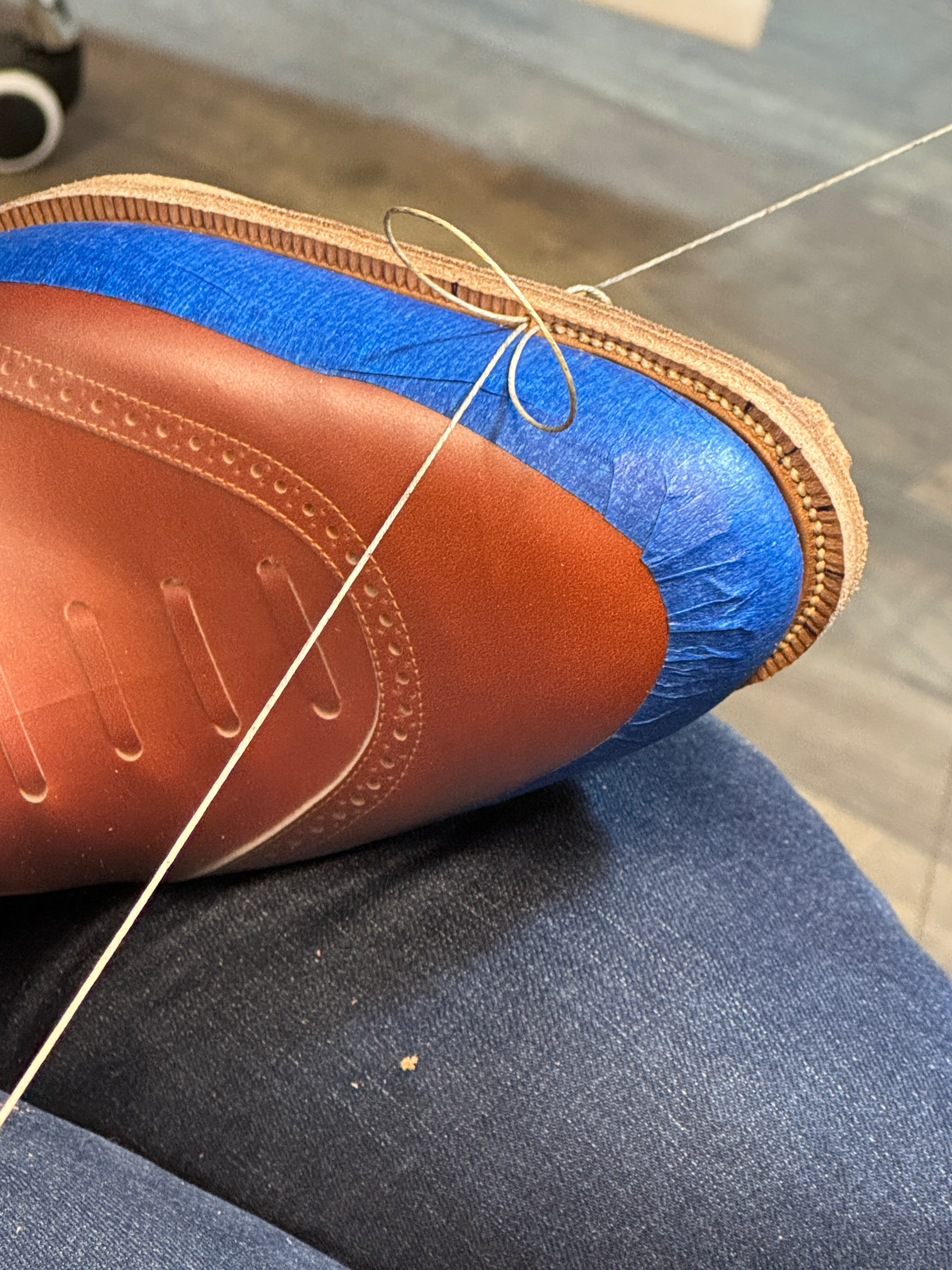
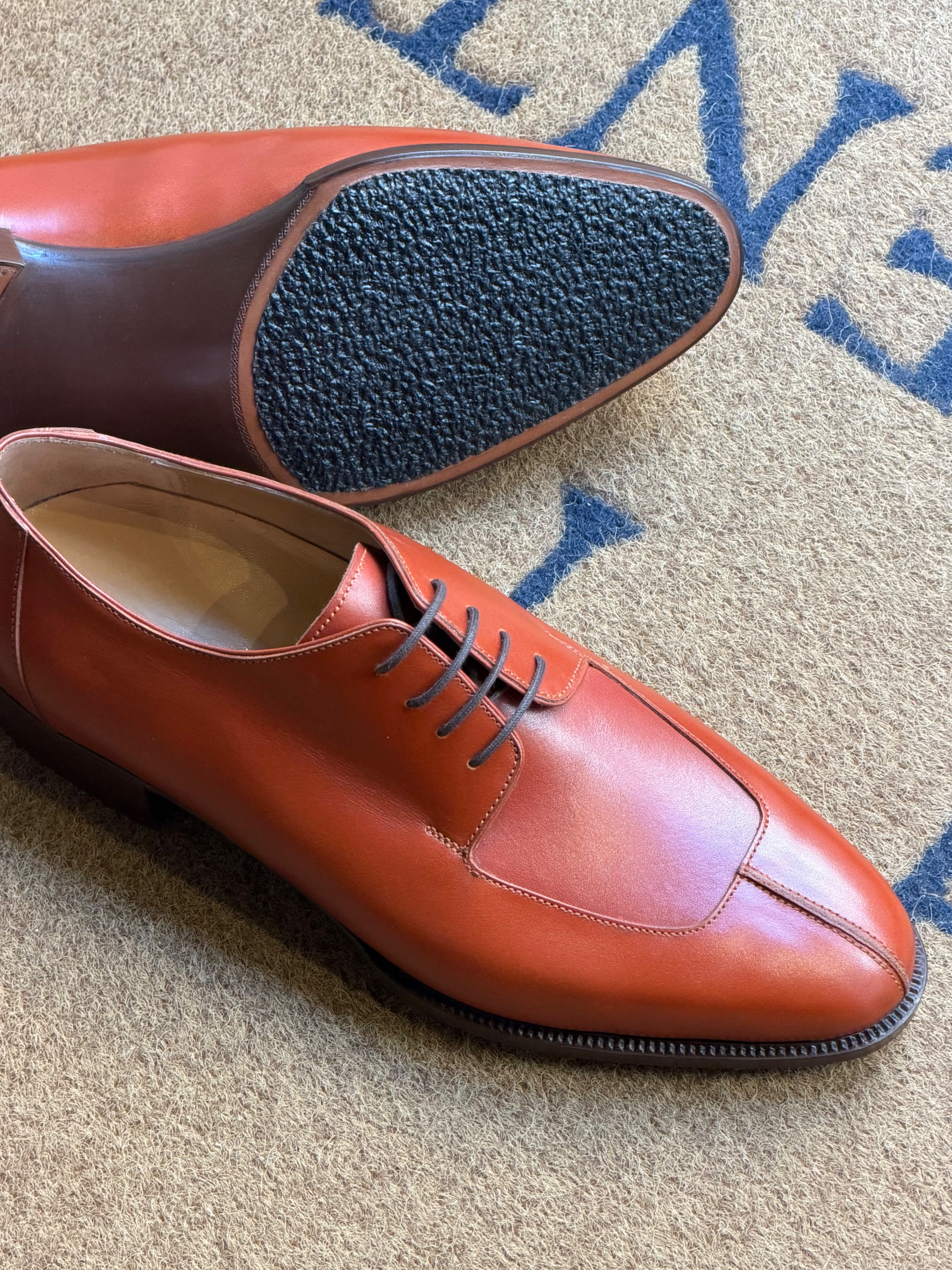
I can’t help asking: Is there a purpose to the little black tick marks on the welt around the toe? I don’t think I’ve seen that before.

Whoever was doing that stitching—it’s much cleaner than mine!

Welcome. You do beautiful work. Do you offer any of your courses in English?

1 Like

Dear Paul, @kemitchell

Thank you so much for your kind and thoughtful message. I truly appreciate the warm welcome. Thank you as well for adding Robert, our atelier, and me to the shoemaking.wiki. It was a wonderful surprise, and I feel honored to be included.

Your forum is a beautiful example of how people from different countries and backgrounds can come together because of a shared passion for shoemaking. I really admire what you have built, and I look forward to being part of the conversations and learning from everyone.

In fact, I started exactly as many of your members did—with a passion. I graduated from the School of Architecture and had accepted a job in Dubai. But when I returned to Rome and began learning traditional shoemaking, I completely fell in love with the craft. From that moment, I knew I couldn’t leave it behind.

Learning shoemaking in Italy at that time was not an easy path. There were very few masters willing to teach, and much of the knowledge was passed on very privately. I still remember how excited I was when, after years of searching, I finally found a master who agreed to teach me. I used to travel to a small village to learn from him in his tiny workshop, which had once been a parking space. I remember standing there, wondering how such beautiful shoes could be created in such a humble place.

One of the greatest lessons I ever received came from that first master, who was around 85 years old. On my very first day, he told me, “Every day, I am still learning.” Those words have stayed with me ever since. They remind me that no matter how much experience we gain, a true craftsman never stops being a student.

My journey also taught me that every country has its own language of shoemaking. I remember asking my first master the names of the different hand tools we used, and he would simply smile and say, “the machine.” So for years, that was what I called them too. It wasn’t until I later worked with another master in the UK that I realized each tool had its own name and purpose. I loved discovering that every country has its own vocabulary, traditions, and way of passing knowledge from one generation to the next.

This is one of the reasons I love meeting shoemakers from different countries. Every workshop has its own culture, its own methods, and its own way of solving problems. Even today, I still enjoy discovering new techniques, new ideas, and new ways of thinking about our craft.

I also truly appreciate forums like yours and all the online spaces where people generously share their knowledge and experiences. They have connected shoemakers around the world in a way that simply wasn’t possible in the past.

At the same time, I believe there is a special kind of magic that can only be experienced inside an atelier, working side by side with a master shoemaker. Watching how someone naturally holds a tool, chooses a material, approaches a difficult step, or solves a problem without saying a word—these are things that are very difficult to capture in books or videos.

Shoemaking requires patience, time, dedication, and countless hours of practice. But learning directly from another artisan is also about absorbing a way of thinking, a philosophy, and a love for the craft. Every atelier has its own rhythm, its own traditions, and its own atmosphere, and I believe those experiences become part of us as makers.

For me, both worlds are essential. Online communities like yours allow us to connect, exchange ideas, preserve knowledge, and inspire one another across continents. The atelier allows us to experience the craft with our own hands, our own eyes, and all our senses. Together, they help keep this beautiful tradition alive.

Thank you again for your kindness and for creating such a welcoming community. I am very happy to be here, and I hope I can contribute while continuing to learn from everyone else.

With my warmest regards,

Goli
1 Like

@kemitchell Yes, actually our fudge wheel is very old and sometimes makes the marked areas invisible, so we do it with a pen on the welt. This way, we can ensure our stitching stays in the right place.

1 Like

@Mllcb42 yes, we offer all of our courses in both English and Italian.

1 Like