I have been hunting for a source for NFPA 1977 compliant boot soles for some time now.
At @kemitchell recommendation for cobbler supplies in general I gave Baltor and Sons a call.
They have “white X” soles in stock in all sizes and will ship any quantity wherever in thE CONUS you need them.
Now I just have to find technora or Kevlar thread in 138 black for upper stitching and I’ll be off to the races.
Technora is just the brand name of a particular aramid fiber marketed for heat resistance. There are others, the most famous of which is Kevlar.
I’m not sure whether those threads have special status for NFPA certification, but you may or may not care about getting certified. I believe that’s a submission-test process, where you have to pay and send boots to a testing organization to market boots as compliant. But I’ve only heard about it secondhand, not read the standard, which costs a lot of money.
In other words, I don’t think it’s just a matter of putting together “compliant” components. I think—but don’t know for sure—that whole boot models have to be certified as compliant.
This page suggests that there are several tests of the threads in particular, including 500°F melting, which begs for an aramid like Technora, Twaron, or Alkex. I don’t think the specs for Kevlar I’ve seen have melting points quite that high.
I am not looking to build them certified, Texas does not require them to be certified as we are a non NFPA state. That said, many folks still want them to be built with compliant materials. As of this time the only things holding me back are sole material and sewing thread.
It’s seems the big 4 are running Technora thread for sole and upper stitching. I had a lead on Technora but the min order is 25# at $70’sh/#.
I can tell you many of the boots I have seen on the fire line and leave for the fire line, I would NOT want on my feet if I had a hot fast fire running and or threatening me.
I will tell you in my primary line of work that the number one fail point of footwear gloves and hoods for NFPA inspection is missing tags and or illegible tags which fails them even if they are in otherwise serviceable they must be put out of service.
Many agencies don’t require the 1977 certification either I know that USFS doesn’t require certification but has their own compliance standards to go along with that.
I double-checked this, and it seems Dupont specs decomposition in air at 800°F (≈427°C), but only recommends long-term use up to 350°F.
Teijin specs decomposition above 500°C (932°F), but advises:
Do not expose to temperatures above 500°C. To avoid thermal decomposition, do not
overheat. In cases where the product is heat-treated at temperatures of >130ºC [266°F], the applied fiber finish may evaporate or decompose.
The summary of NFPA 1977 I linked to above lists “Shall have a melting temperature not lower than 260 C (500 F)” as one of the thread tests. But all the data sheets for aramid fibers I’ve seen say they decompose without melting.
I wonder why they don’t rivet dogtags to the backstraps
I wonder if some boot allowances are separately tied to certifications.
I’m not one to know, but I’ve taken hints that those equipment allowances (and state contracts) kept the Spokane shops alive through some lean years. Add some Italian competition, then throw in a “heritage” boot craze, and now they’re all doing lighter-duty boots and cowboy pull-ons.
Anyway, glad Baltor could set you up with the outsoles.
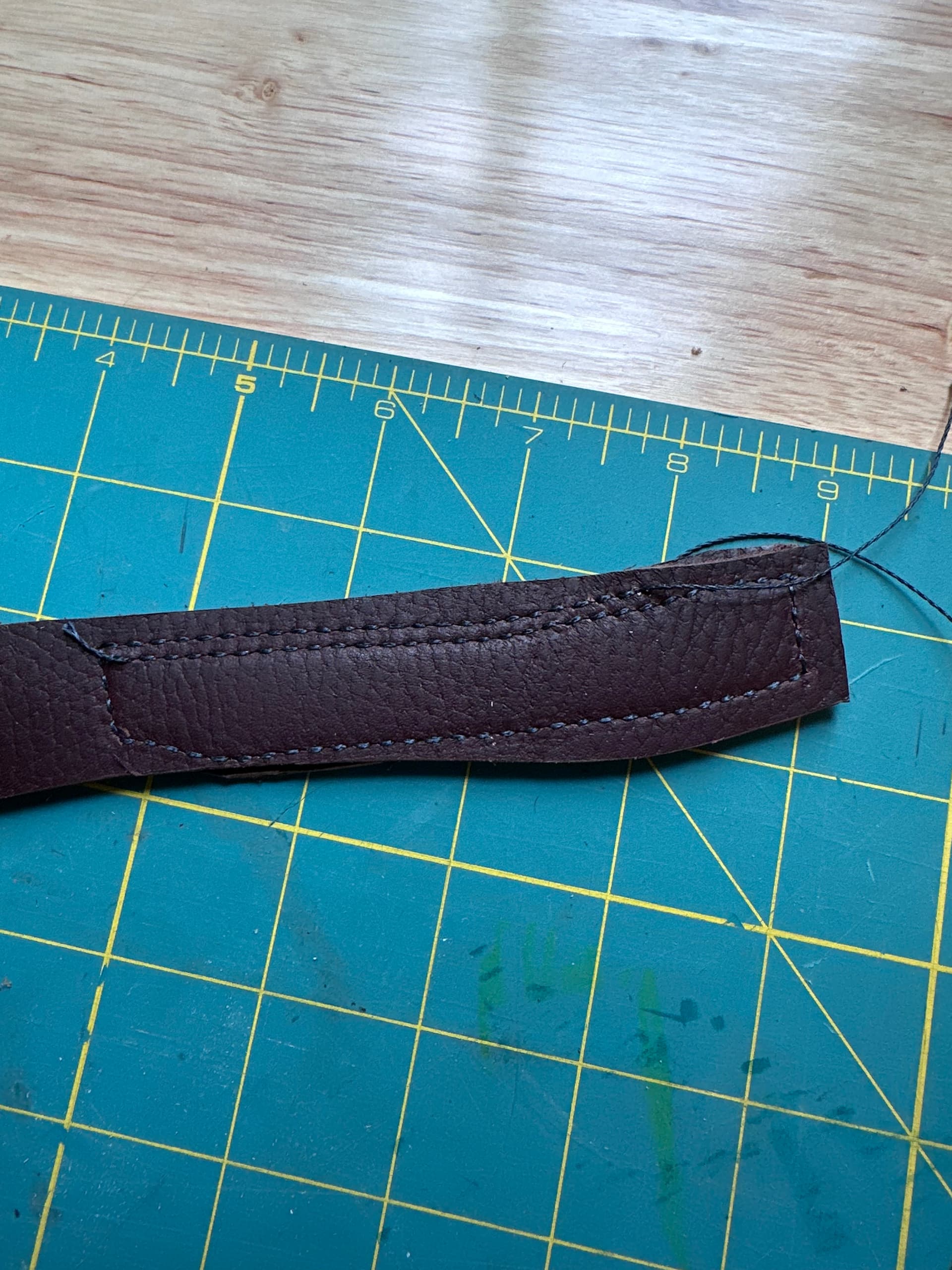
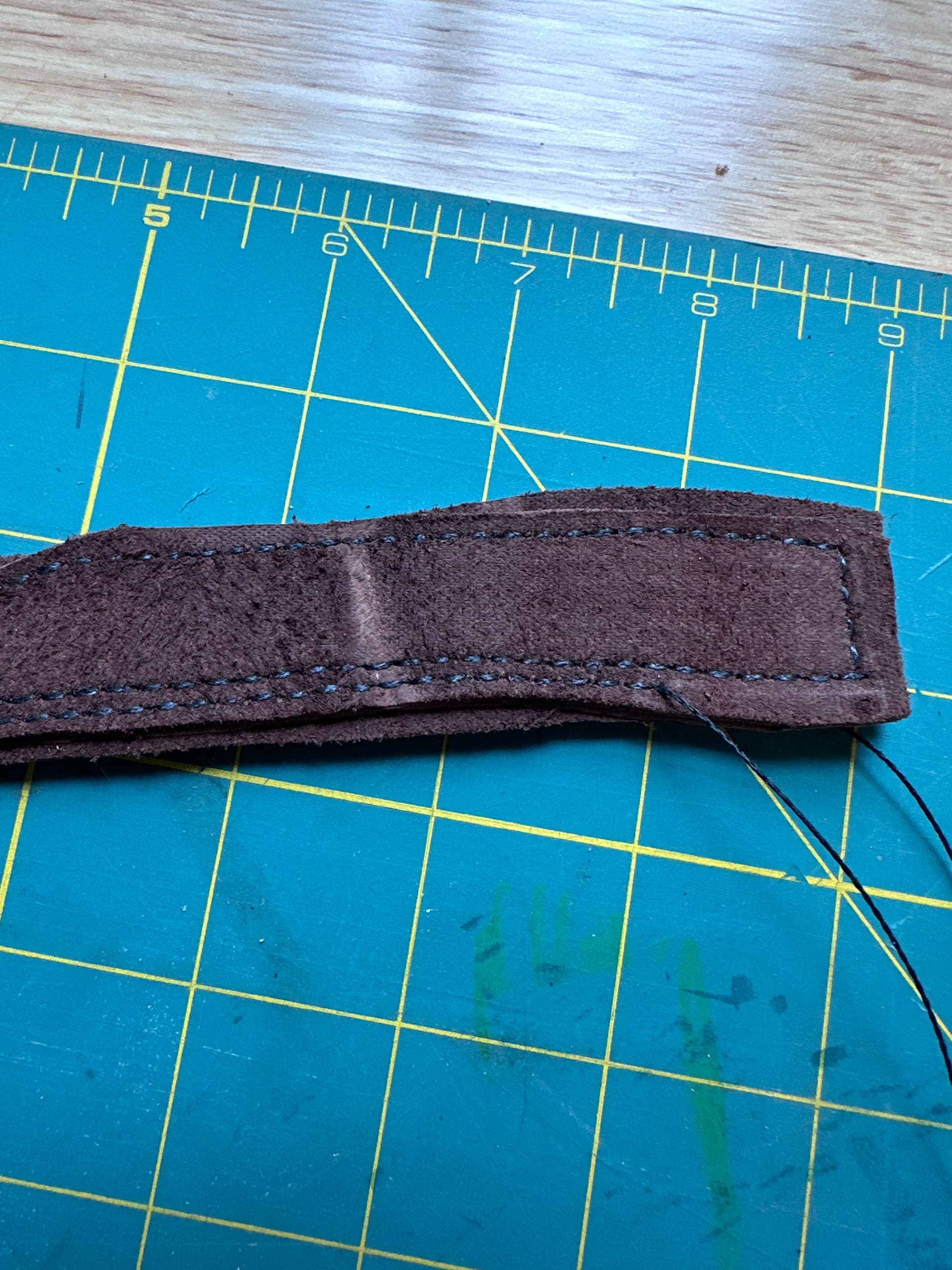
Well certainly not a scientific test. However I ran some braided .050mm Kevlar with no hiccups sewing on my machine.
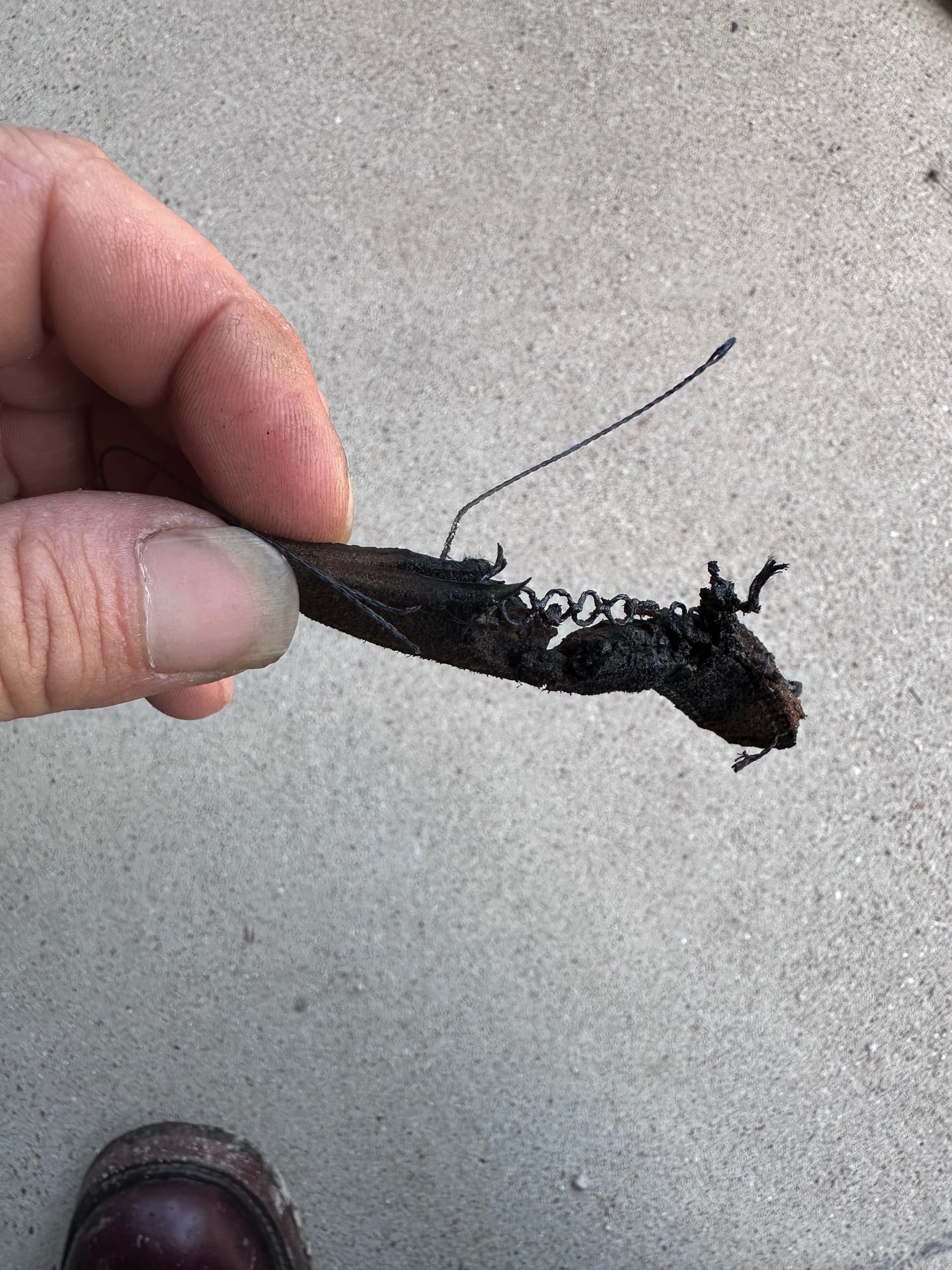
Then I put my thermometer just above it in the grill and ran the 500*\15 min test nfpa does. It passed with flying colors. As expected the leather didn’t do well with 15 min at 500 but the thread passed the test.
I also did an impromptu abrasion test with 500 (1000 total swipes) cycles of a razor blade perpendicular to the sew surface and there was not a single thread fuzzy.
Amazon, 9KM DWlife 50lb .50 mm black Kevlar line.
I wish I could find it in 40lb .40 mm like you can the natural. But I’m guessing it is the dye adding to it.
I will also say that it doesn’t seem like .50 mm thick it seems much closer to 138 than 207.