Continuing the discussion from Stuff I Shouldn't Have Bought:
It’s funny you mention that. DW Frommer II’s Western Packers—which I reckon is where Cowboy Boot Boulevard and Lace-Up Street cross in print—definitely helped push me over into buying bulldogs. I have a quote in my reading notes:
the only pliers with enough leverage to correctly last the shank area of a boot
At the same time, while I’ve done some repairs, I’ve yet to make a cowboy boot, or even plan to make one. Rather, the seed of bulldog craving was planted watching videos of Spokane makers lasting logging-style boots. These are basically all derbies, but with 8 to 9 ounce alpine chrome leather, plus lining in the vamps.
I distinctly remember a fella in some JK videos, a bear of a man whose hands make bulldogs look like puppy pliers, pleating with them. Here he is:
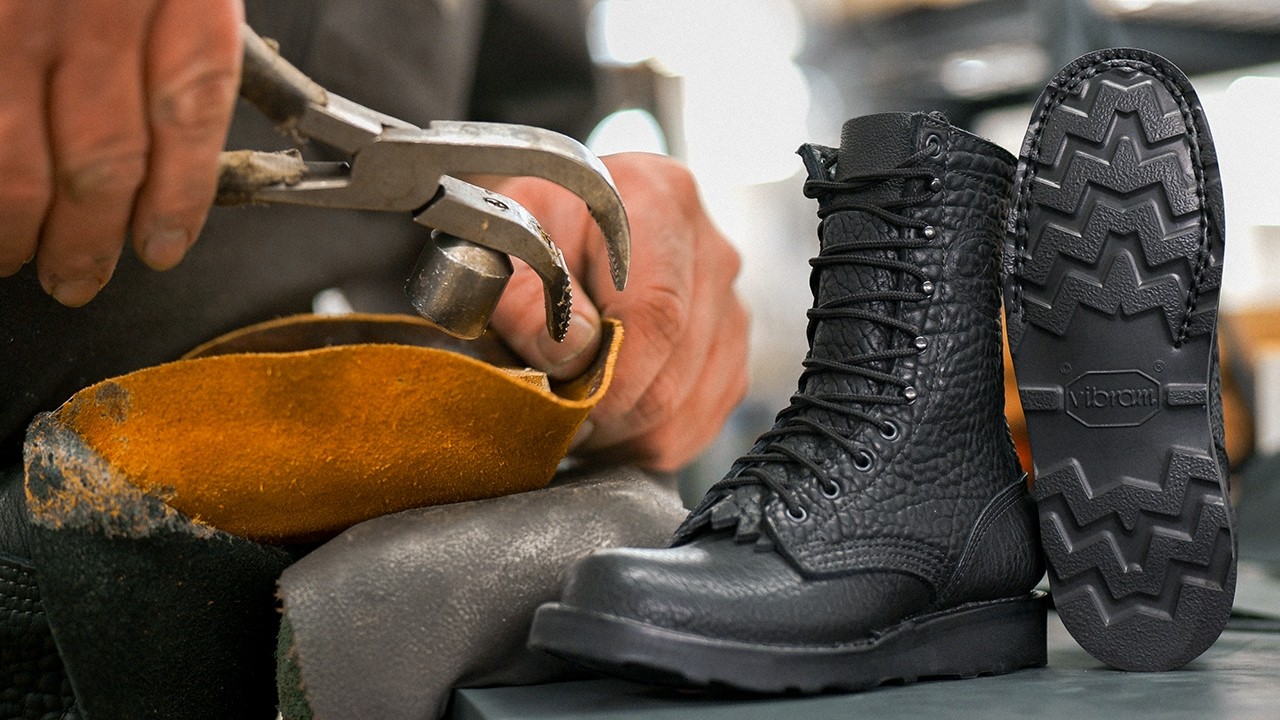
He uses some Whitcher-style pliers with tall hammers for his initial draft pulls—I seem to remember you favor the same for that job, @Customboots. He also uses those later, for the vamp, which is turned out for stitchdown construction rather than really tightly pleated for welting. But he does the seat and shanks with bulldogs in his left, hammer in his right, and tacks in his mouth, all the way.
At the same time, it doesn’t seem like it’s about big leverage. Here’s my favorite tidbit from an excellent, really underappreciated video on lasting from the lasting lead on the Nicks Boots line:
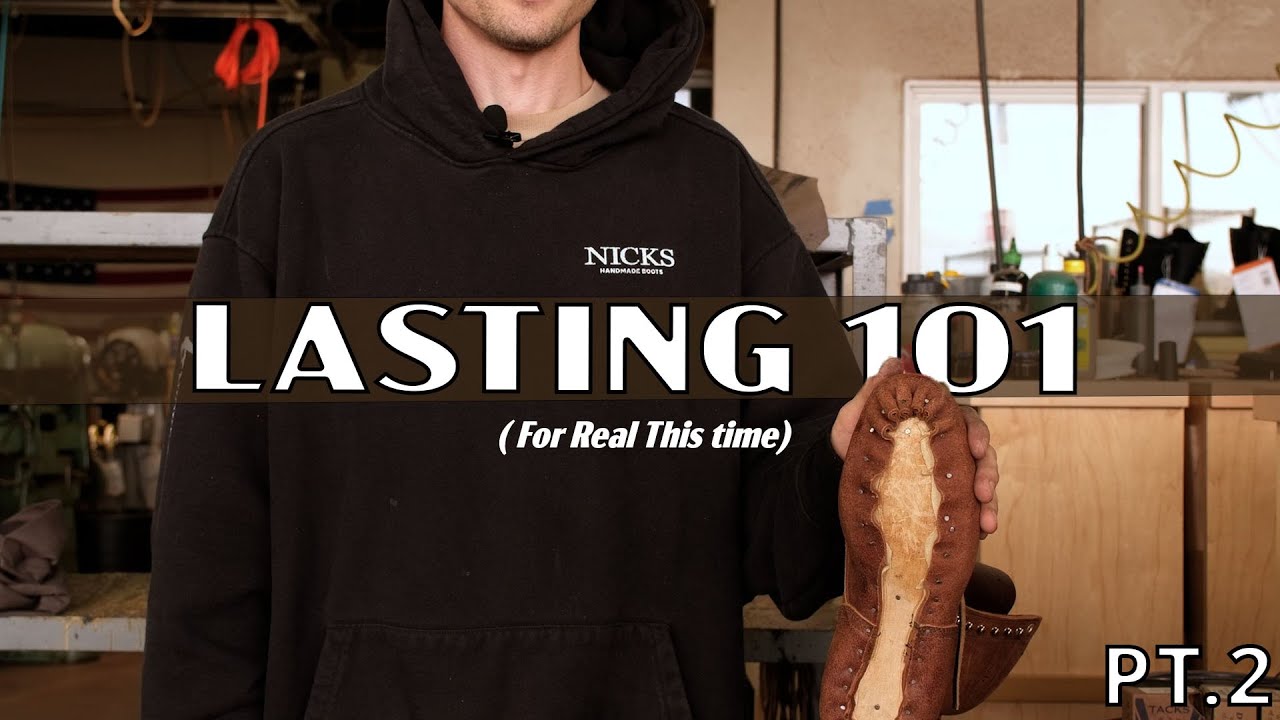
So in lasting there’s a misconception on how hard we’re actually pulling the leather to get it shaped. Generally, in some areas you want to pull harder, but in most, you’re just going past tight.
He then also does the shank and seat with bulldogs, but switches to wider Scheins for the forepart later. I haven’t sized these guys up in person, but I’m guessing this fella’s bulldogs are a bit smaller than by Barnsleys. The handle certainly seems shorter.
I honestly don’t know why they favor this combination of tools. Maybe bulldogs specifically with tapered, cone-like noses are the best tool for getting in tight to pleat while still holding the thick leather really tight. Maybe it really is for more tension through the waists, and I’m just not seeing the effort because they all have iron forearms. Maybe it’s more of an efficiency thing—some but not all of those companies are piecework shops. Would love to find out.