I have some samples from them they labeled as midsole. I will see if I can find them.
1 Like
Yeah, that makes sense. I grabbed an 8spi fudge wheel from Starko tools. I’ve had good luck with their stuff before. 3mm seems solid for a boot. Mix of refinement and bulk. If I decided to make a dress shoe at some point, I am sure I will want to go to a higher spi.
I was kind of thinking similarly. Insole are fairly dense leather, outsoles are probably even denser leather. I’d think a less gnarly midsole would be a good choice. I do bet one could get away with just doing some high quality veg tan of a desired thickness. Hell, even a Tandy veg tan could probably work fine.
1 Like
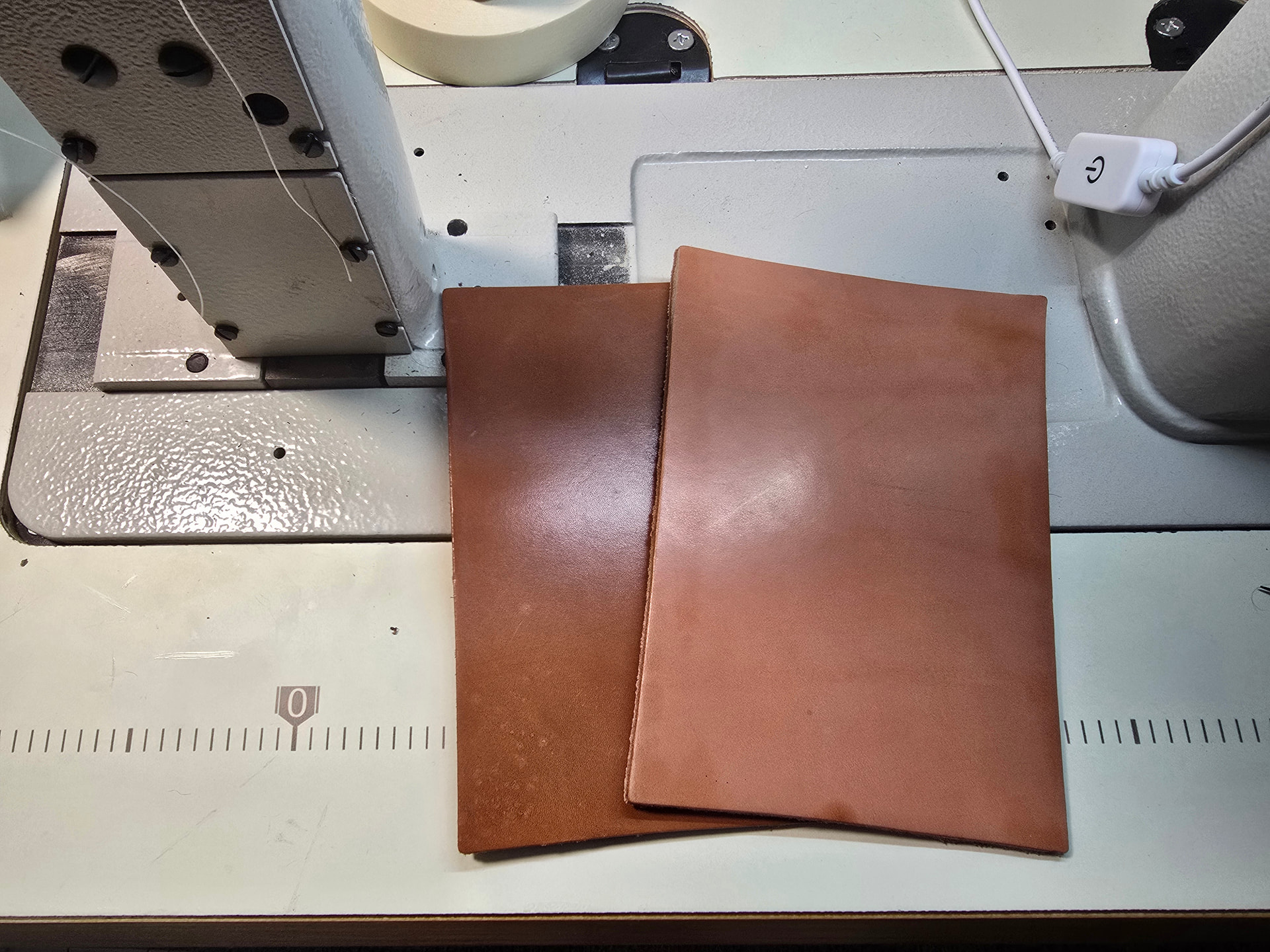
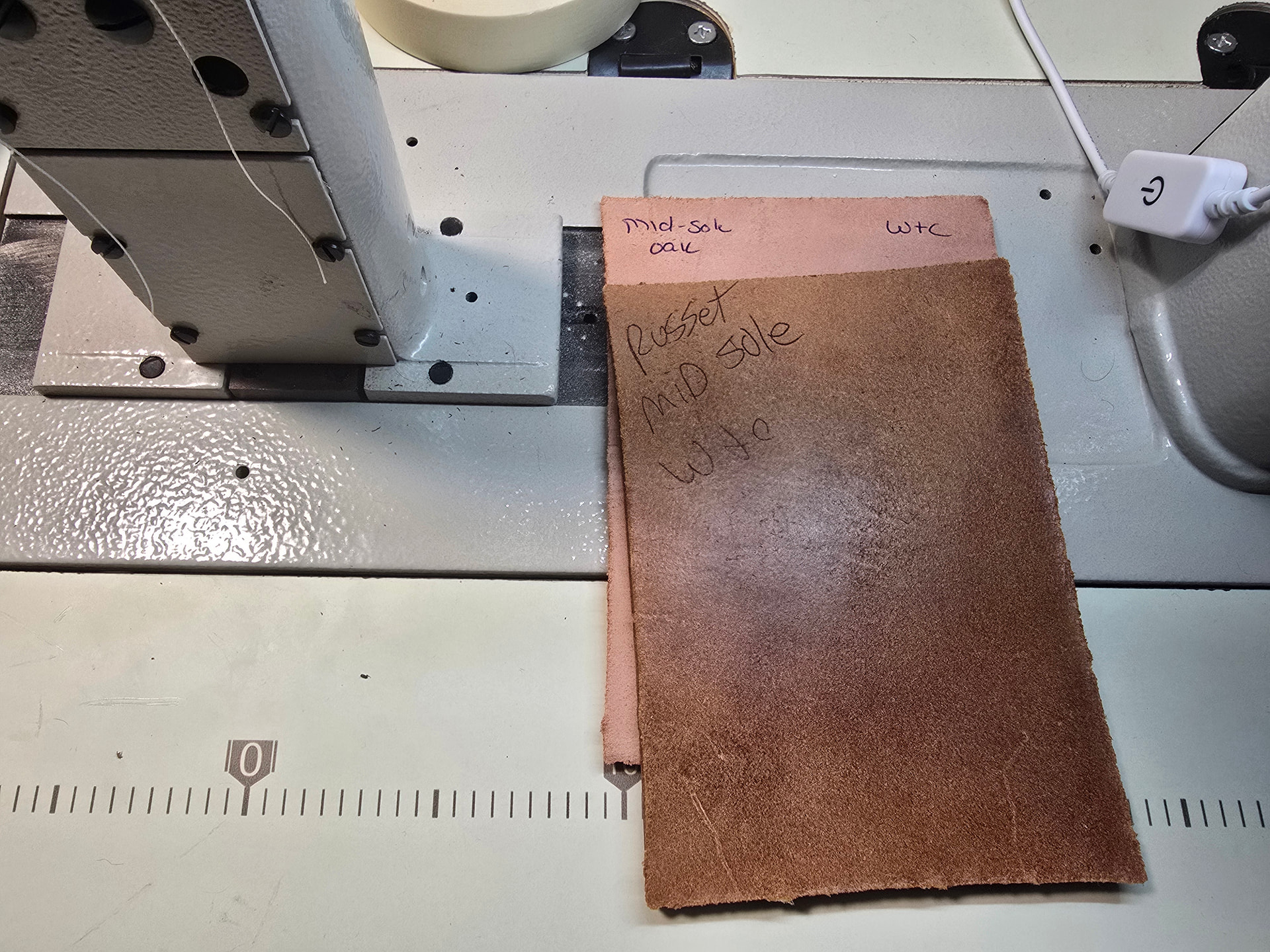
Huh. So they both look dyed to me, though it’s always hard to tell from photos. Perhaps:
4 to 4.5mm would be around 11oz or 8 iron. They list a 10–12 oz weight.
Vibram 7500s are listed as 6 iron or 3.2 mm.
Here’s a cobbler supply listing for a leather midsole between 4 and 5 mm:
Frankford lists some even thinner, at 6 iron:
I’d be willing to bet there isn’t really a “right” answer here. Thicker for more support, but ultimately, other than for something for the thread to hold on to, a midsole isn’t really structurally necessary. Hell, I did some midsoles out of some 6 oz horsebutt on one pair I was playing with.
1 Like
Yeah, this makes sense to me. It’s just replaceable a layer that doesn’t take nearly the amount of abuse that an outsole does, just needs to minimize wear to the upper itself. That would probably mean as long as the material is fairly structurally sound and fits the project goal, then it can work.
1 Like
I’ve pegged through rubber and know cowboy makers who do it regularly. Dunno if it’s better or worse idea but it’s done.
2 Likes
As have I. Its finicky, and unforgiving, but it DOES work.
1 Like
Fwiw, I’ve been using 12oz Economy tooling veg from Tandy as midsole material, and I have absolutely no complaints about it.
1 Like
Oh good to know. I’ll probably give it a shot with a test piece of leftover vibram 7500. I do think I am pretty sold on doing a leather midsole at this point though. I’ll be able to blend the edge colors better that way.
Thank you for the info! That’s right about at the thickness of the Baker insole leather I am using. I might shoot for an 8-10oz, because it’s a women’s boot that doesn’t need to be chunky as all hell. Haha
1 Like
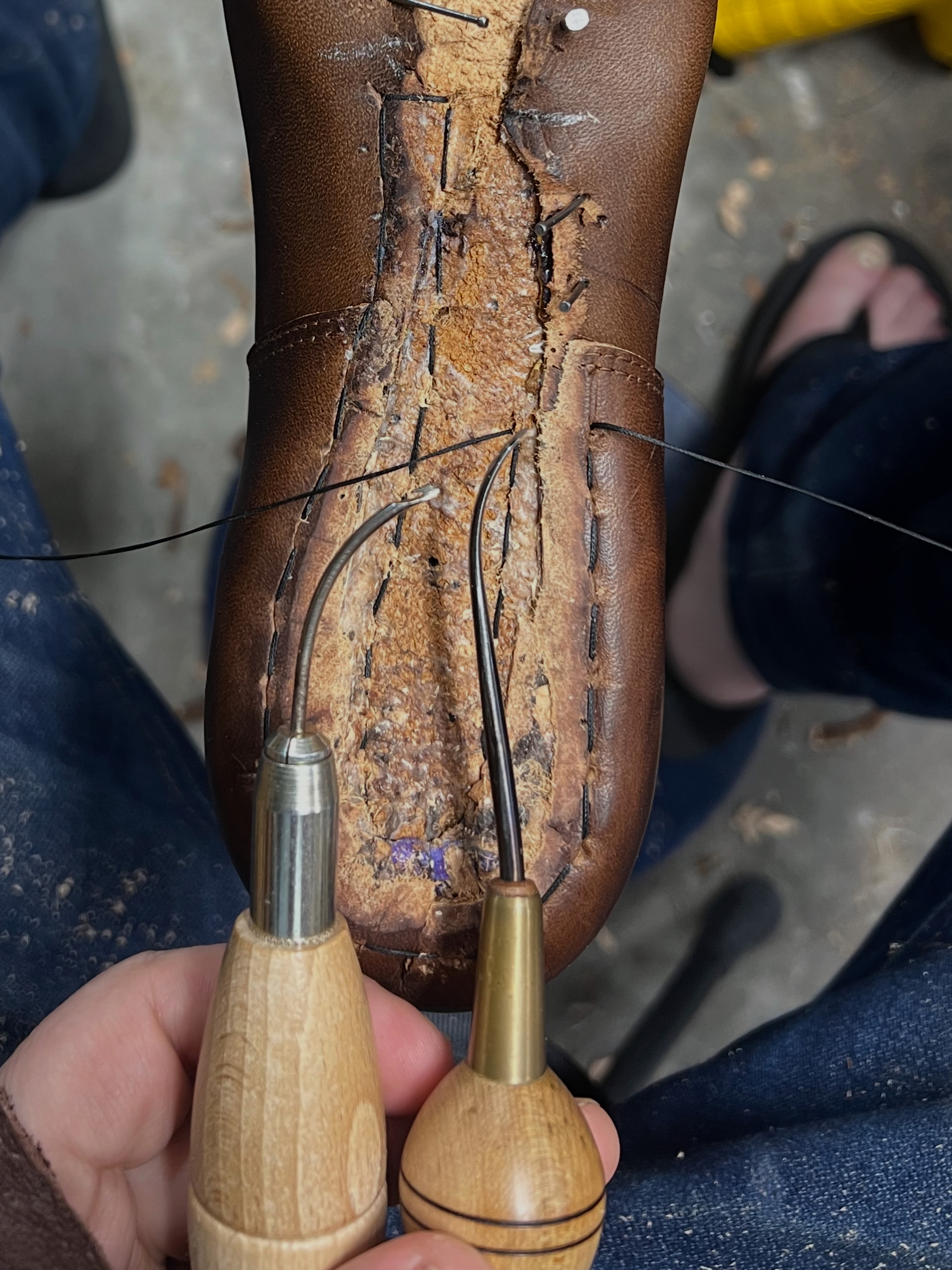
So I am unsure if I am thinking about something correctly. I am planning on only welting the toe/ball area of this boot, to keep the waist and heel more slim and sleek looking. I’m planning on pegging through the waist and heel. In that case, is it worth it to not even worry about sewing the upper to the insole in those areas?
My thinking is that carving a holdfast without sewing a welt could leave it looking a bit odd. But if I don’t do a holdfast, then just glue the upper to the insole in those areas and peg them down, would that be insufficient?
1 Like
You can only peg the waist and heel. Stitching in the waist can help with keeping things tighter though.
My plan on the next boots is to carve a holdfast for the waist and heel, stitch the upper without a welt there, and then peg.
1 Like
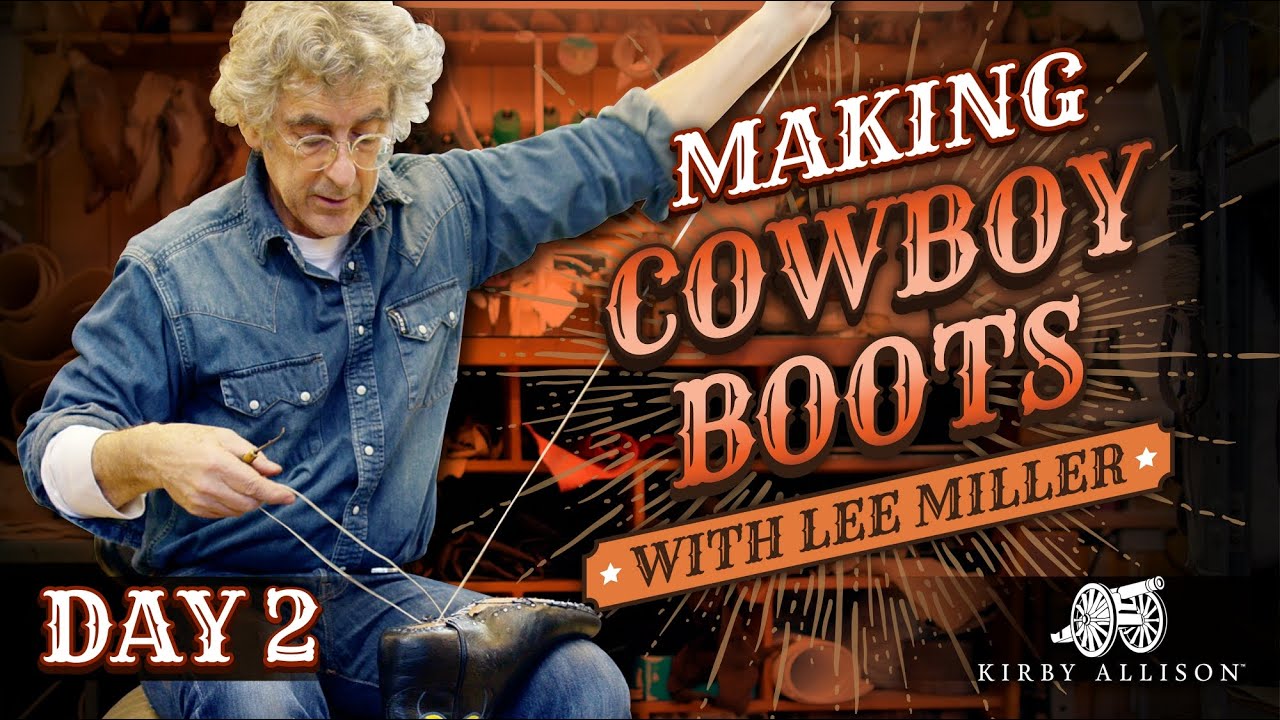
Lee Miller’s video has not just a demo of his own sewing methods, but some comments on other approaches:
Yeah that seems plenty reasonable. Probably a solid idea to go that route.
Thank you for the link! I will take a look at it.
1 Like
You can peg the front too. Old method
2 Likes
@kemitchell That Lee Miller series was so incredibly valuable, thank you for sharing that. It’s basically exactly what I was looking for. He’s so dang good at what he does. And it seems like it’s a strong construction too. I grabbed a piece of scrap baker insole leather to mess around with, and it does seem fairly doable just with my carbone inseaming awl. I don’t know if there’s a reason to use a different awl though?
I was practicing with the pegs a few hours ago, and the physical aspect of it doesn’t seem incredibly hard. I do have a few questions though. Do you know of any resource I can check out before asking them here?
Send Lee a thank-you! I’ve heard word he maybe didn’t get what he felt was a totally fair part of the success of those videos.
That’s a whole, big topic. But that’s what an inseaming awl’s for. I think about what you need to do make the tool you have work—holdfast width, stitchline marking—rather than switching out tools you can’t control. Just my two cents.
Lee’s series covers pegging. But you can always ask here—in this topic or a whole new one.
I have sewn the waist and heel seat in addition to pegs/nails a couple of times now, I just use the same carbon inseaming awl for all of it.
2 Likes