1 Like
Dennis Kieback using a truly enormous saddler’s awl to punch outseam holes through a huge stack-up of sole leather:
1 Like
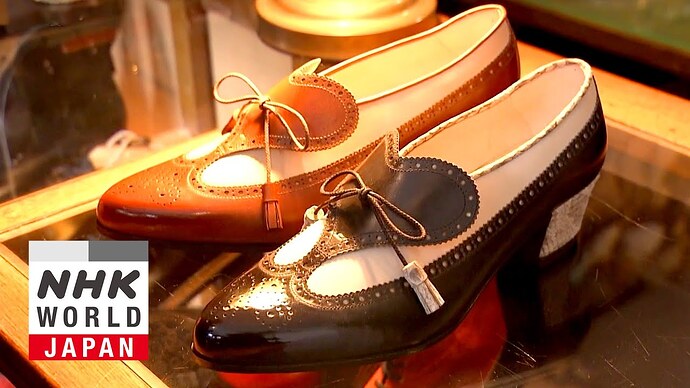
workshop and school space tour with Yukiko Okawa of Bench Made in Tokyo:

I did a little digging around and found her website. Says she studied at Cordwainers College, then under Paul Wilson at Lobb’s. Came back to Japan to start her shop, first in Ginza, then moved to Tokyo.
No Japanese-to-English subtitles from YouTube on this one, but there’s plenty to look at.
1 Like
New video on Lucchese from WSJ. Mostly style stuff, but lots of factory shots and a couple technique montages.
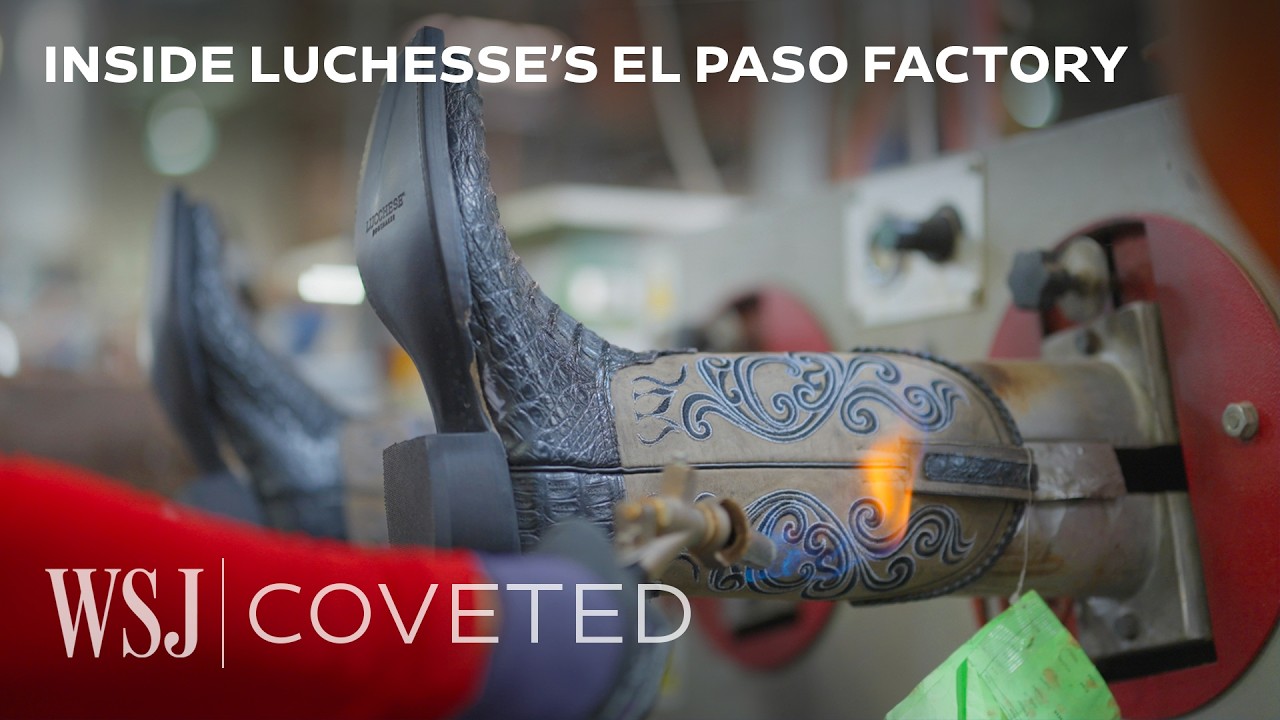
Hand lasting:
Looks like the wide-mouth lasting pliers that TAN sells and Gurney tacks.
Oh, no. More “lemonwood”:
It looks like he pre-pierced all the holes. Short-haft hammer and a big wrap around his striking wrist.
I found the edit timing of 3:53 “…there are a lot of opportunities to take shortcuts, but we have been really diligent and really respectful of the process and not doing that” in voice over shots of mounting premade heel stacks and CNC battery topstitching a tad unfortunate. No dig on the product intended!
They mention they do about 400 pairs a day, and outsource some things they can’t do in El Paos. Higher-heeled women’s in Italy.
I feel like solo makers need a good marketing term for old school sewing of tops that means not-cnc. Human stitched? Handsewn isn’t right. Maybe single-needle topstitching, it’s worked as a buzzword for vintage clothes hunters
1 Like
Also picking a gashed up boot as a still frame was unfortunate, under the headline $17k boot…
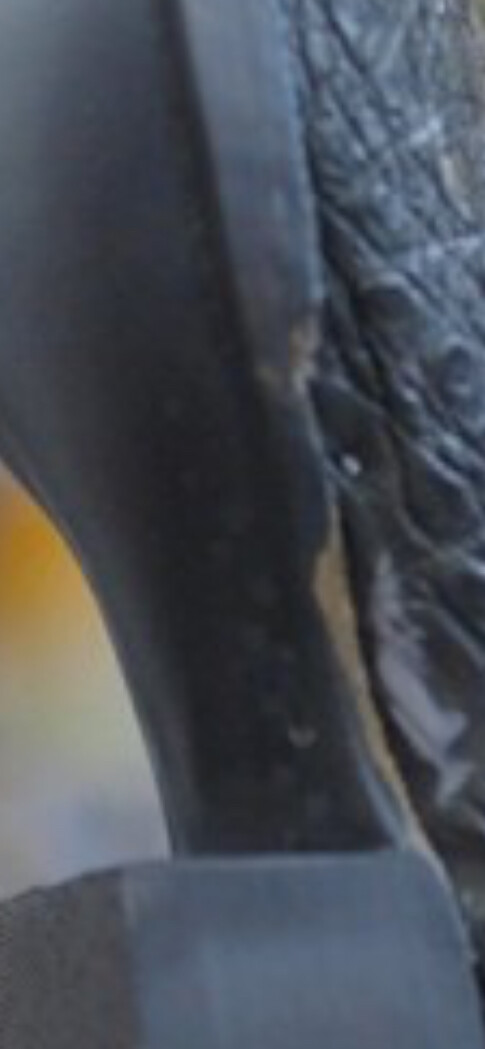
Take your 17k over to Lisa!
2 Likes
Man, that’s not a good look
1 Like
Imagine how the kooks binding whole uppers by hand feel! 
In the end, I’d expect any term meant to sound good to get co-opted over time. But it would take time.
I suppose there’s a market for people who want to know their boots were made a certain way, even if boots made a different, more efficient way looked and worked the same. I still hold out hope there are results we can achieve by hand that can’t be or haven’t been automated yet.
Who would do such a thing?
1 Like
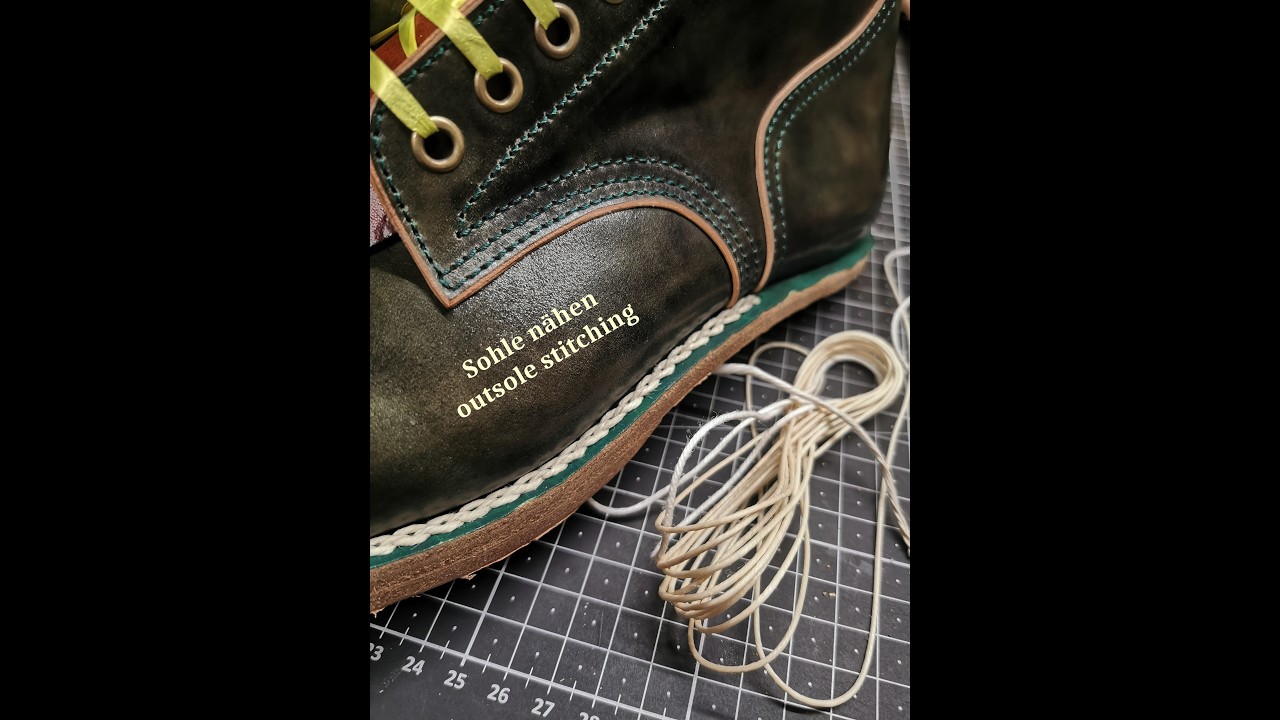
Neat old video about Himer & Himer, before Axel passed:
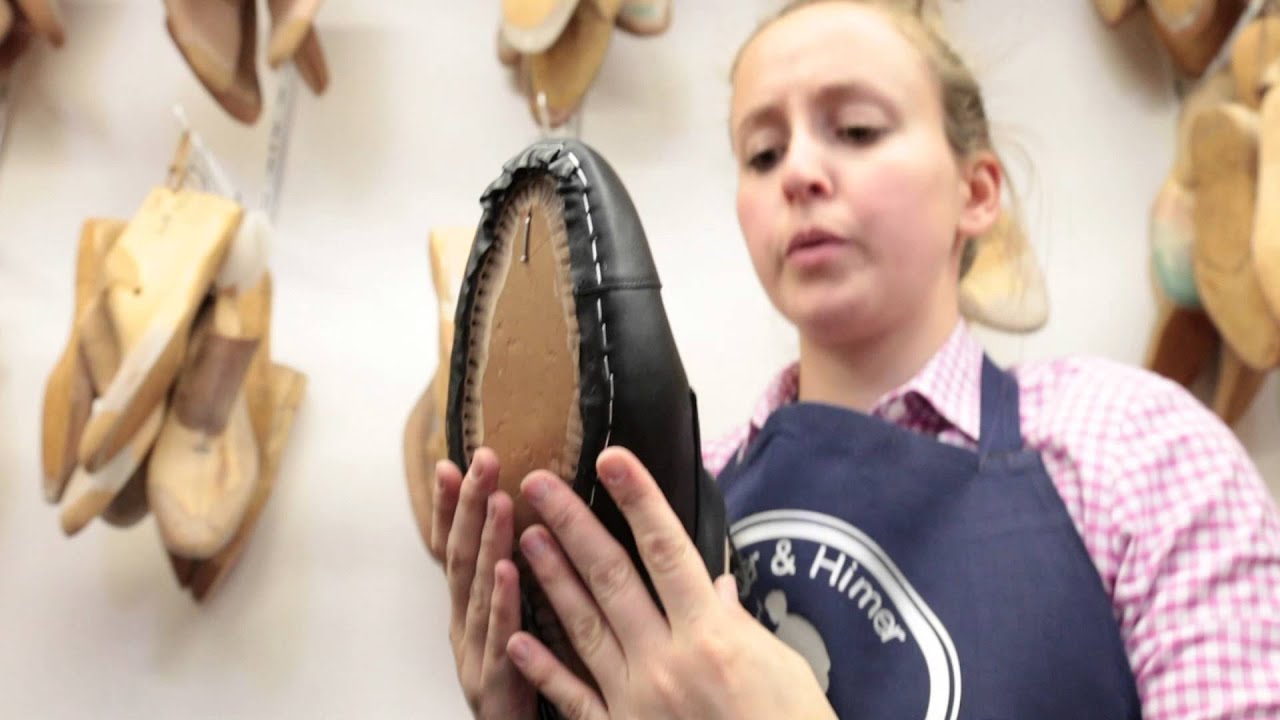
I had a good laugh at this detail of the painting on their shop ceiling:
The narrator mentions that the method of sewing the rand to the seat is a trade secret. The video doesn’t show it.
New addition to my list of favorites: a video showing Benno Zwick making a pair of ankle boots. These have a pretty interesting construction: bonwelts, but with full pint-an insoles and midsoles pegged on all the way around, then outsoles cemented.
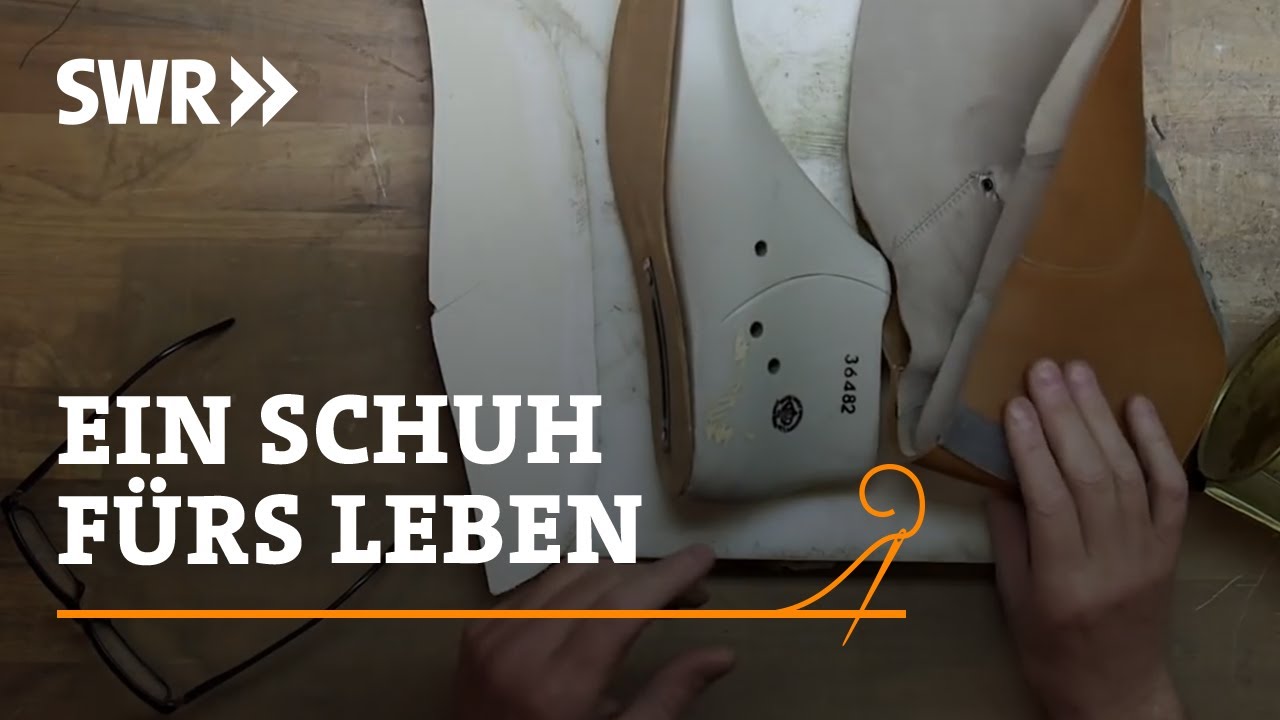
The video shows a great moment during lasting when Benno sees the upper isn’t set right laterally, pulls a staple at one joint, and readjusts. I really appreciated him showing a mistake and how it’s corrected.
His whole attitude to the making process overall came through really strongly, despite my lack of German, reading subtitles. It’s all so frank, humble, and workmanlike. He really does seem to love what he does, but he doesn’t put on any of the kind of show I see in so many “craftsman videos” with mood lighting, leather aprons, rustic background music, and vague generalities about hand magic.
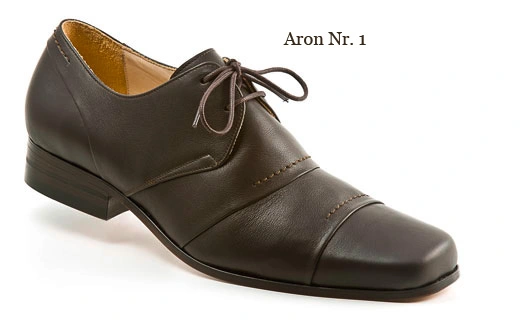
The Zwick firm also has some interesting stock model photos on their website. Their “classic business shoe” actually has a kind of three-piece saddle vamp. I hope they won’t mind me copying photos to my post here, so people can still see if their website goes down or changes:
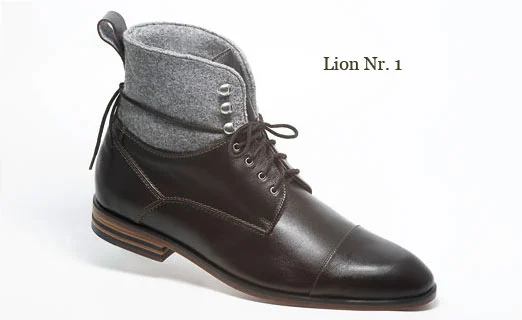
Their “classic business boots” have interesting, angular heel counter covers and the kinds of shafts that pop out from under seams that swoop like shoe toplines:
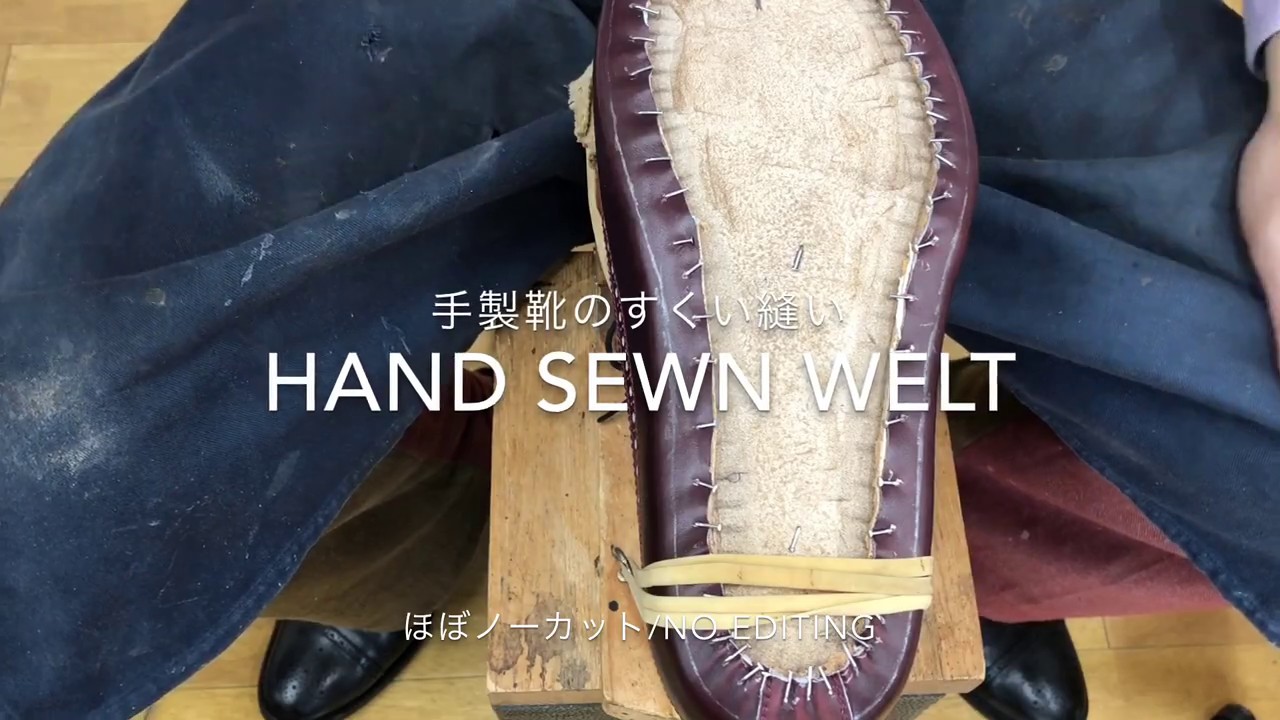
Old video showing a complete, uncut, two-hour handwelting session:
The lion kind of reminds me of the ostmo design where the swoop looks like the top line of a low derby with a shaft grafted on top
1 Like
I first saw that style of boot quarters in photos of Ostmo boots. Turns out it’s much older!
I’ll just leave this here and maybe someone can tell me what I’m looking at?
https://www.instagram.com/p/DVGSWiNEpre/?img_index=9&igsh=MTdxdGQzMzh6ZXV0aw==
1 Like
Looks like he’s basically doing blanket stitch by pulling a loop from the bobbin side and pulling it around the edge, then letting the needle go through the loop. I would be curious to see if that’s actually faster than just hand sewing it.
1 Like
In general I’m curious about hybrid techniques like this that use the strengths of hand and machine. Machine stitching is so consistent and can follow curves better than me, while hands allow more complex stitch patterns and heavier thread and that saddle stitch look. I was exploring dry stitching a curved
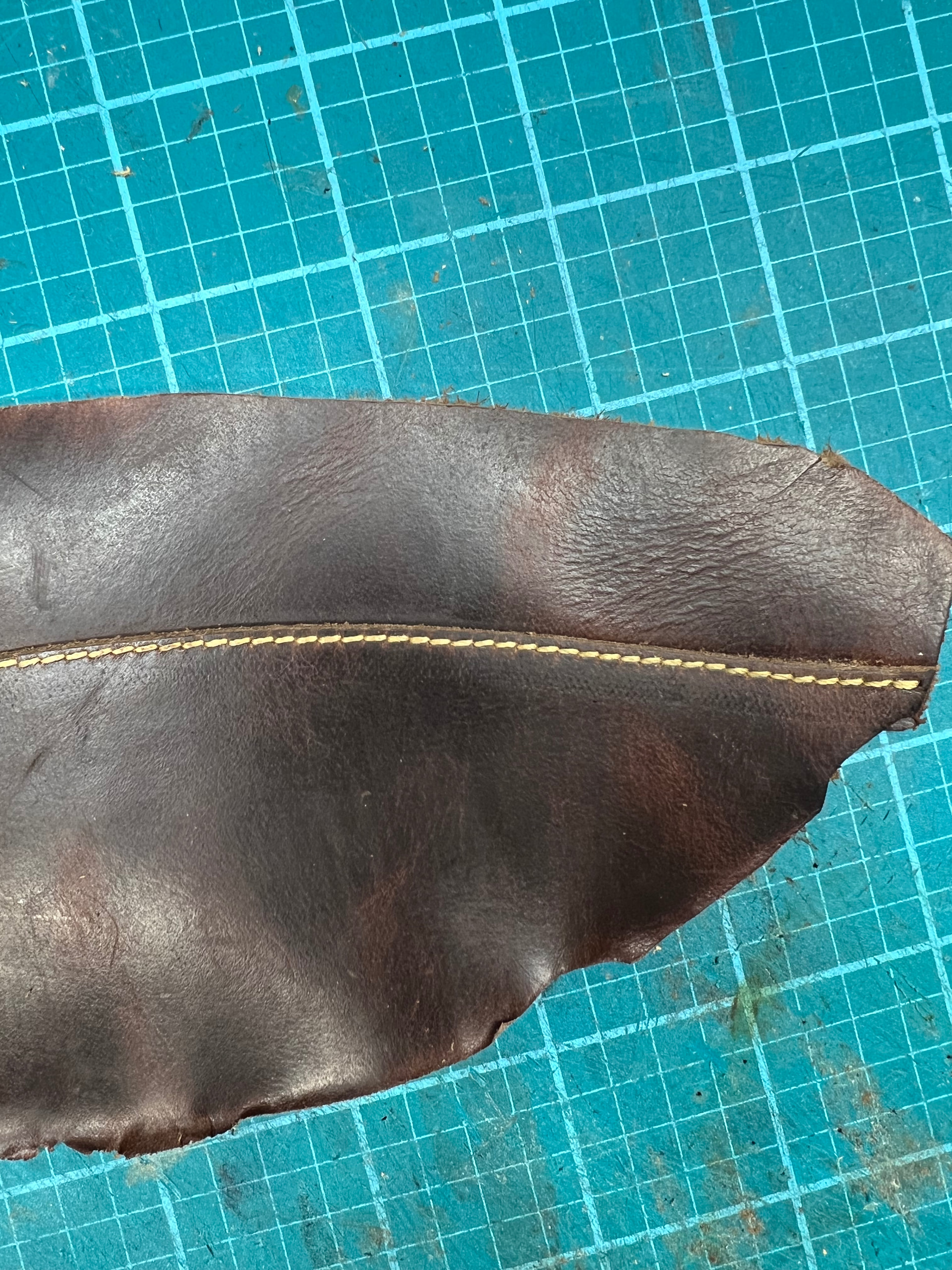
vamp line then coming back with heavy vinymo. Maybe a better craftsman can do this by hand but I can’t
Do you have pricking irons or stitching chisels?
That kind of consistency freehand is possible, but very rare.
I do and for straight lines they have worked well for me, but something always goes awry on curves